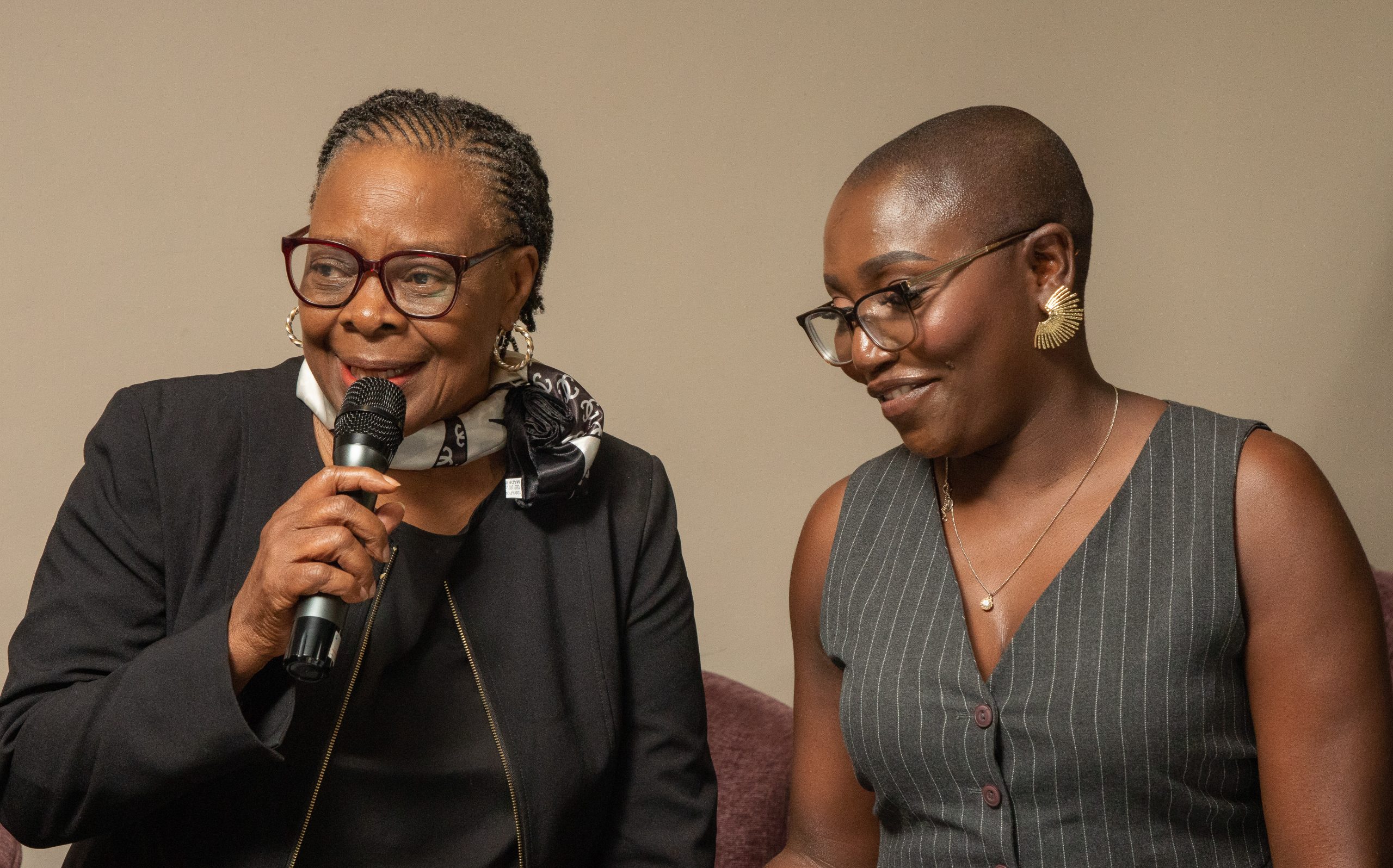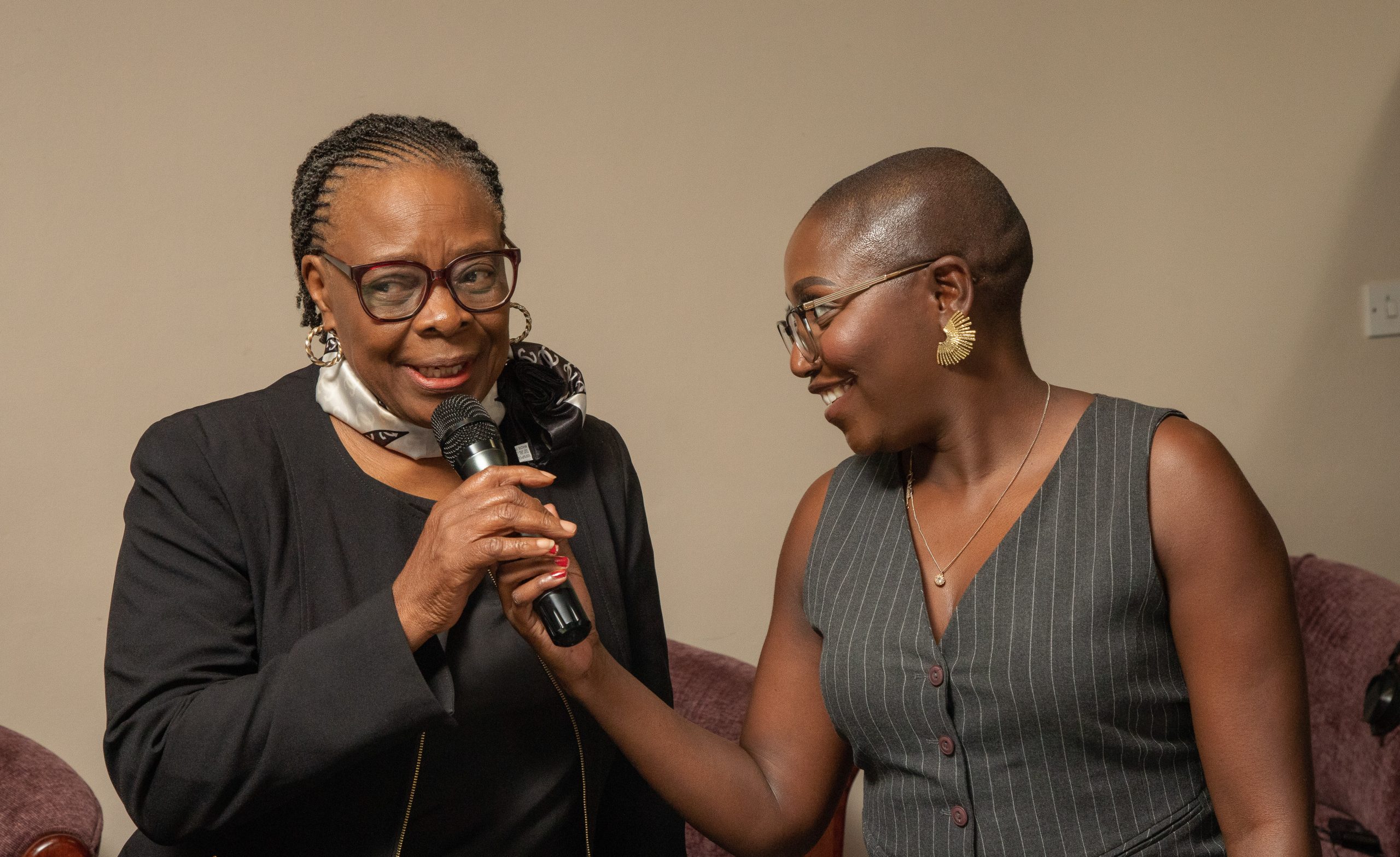





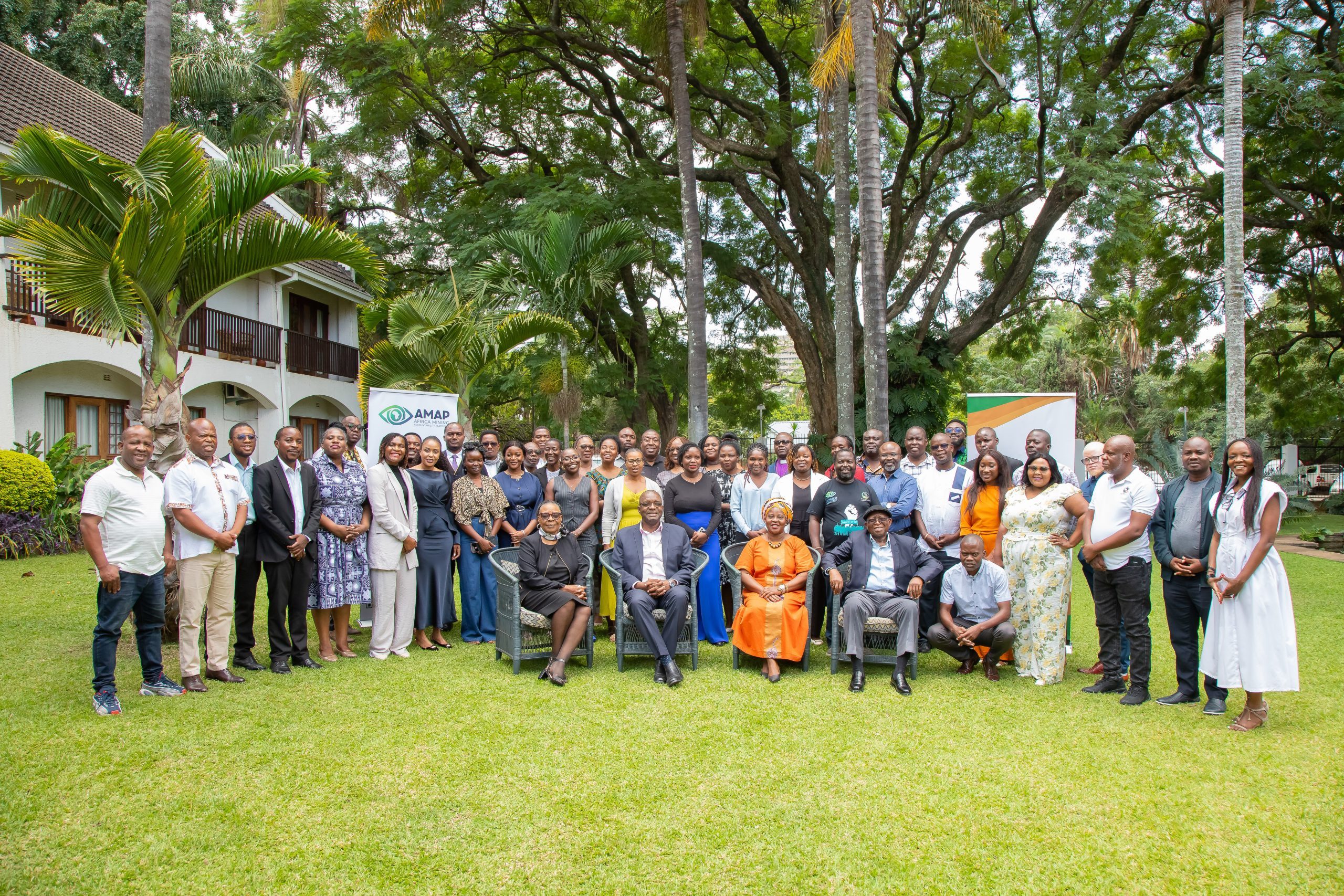
A Movement Is Rising
Inside the PAMOJA Critical Minerals Alliance Launch
Something powerful happened in Harare.
Over two days ( 25 and 26 February 2026 ) we had the privilege of being in the room as history was made. The PAMOJA Critical Minerals Alliance officially launched, and with it, a bold, collective African voice on one of the most urgent issues of our time: who really benefits when Africa’s minerals fuel the world’s green energy revolution?
We were there. And we want to bring you into that room with us.
Why This Moment Matters
Right now, the world is racing to build electric vehicles, solar panels, and wind turbines. And at the heart of that race? Africa’s minerals ; lithium, cobalt, graphite, rare earth elements, platinum group metals. The demand is surging. The deals are being signed. But for too many communities living on top of these resources, the story remains the same: displacement, environmental harm, broken promises, and wealth that leaves without looking back.
That cannot continue.
That is exactly why PAMOJA exists and why this convening was so significant.
Two Days That Changed the Conversation
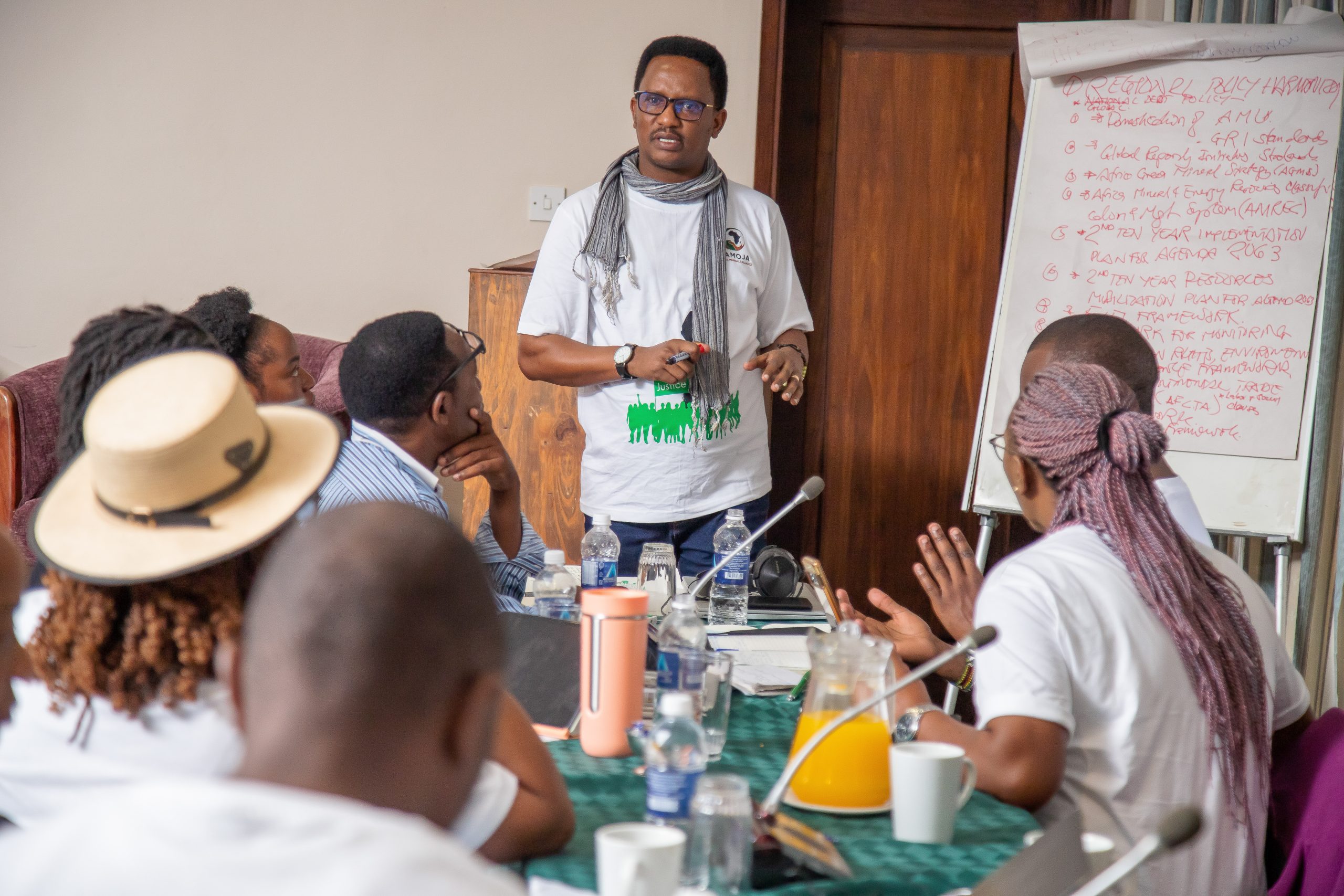
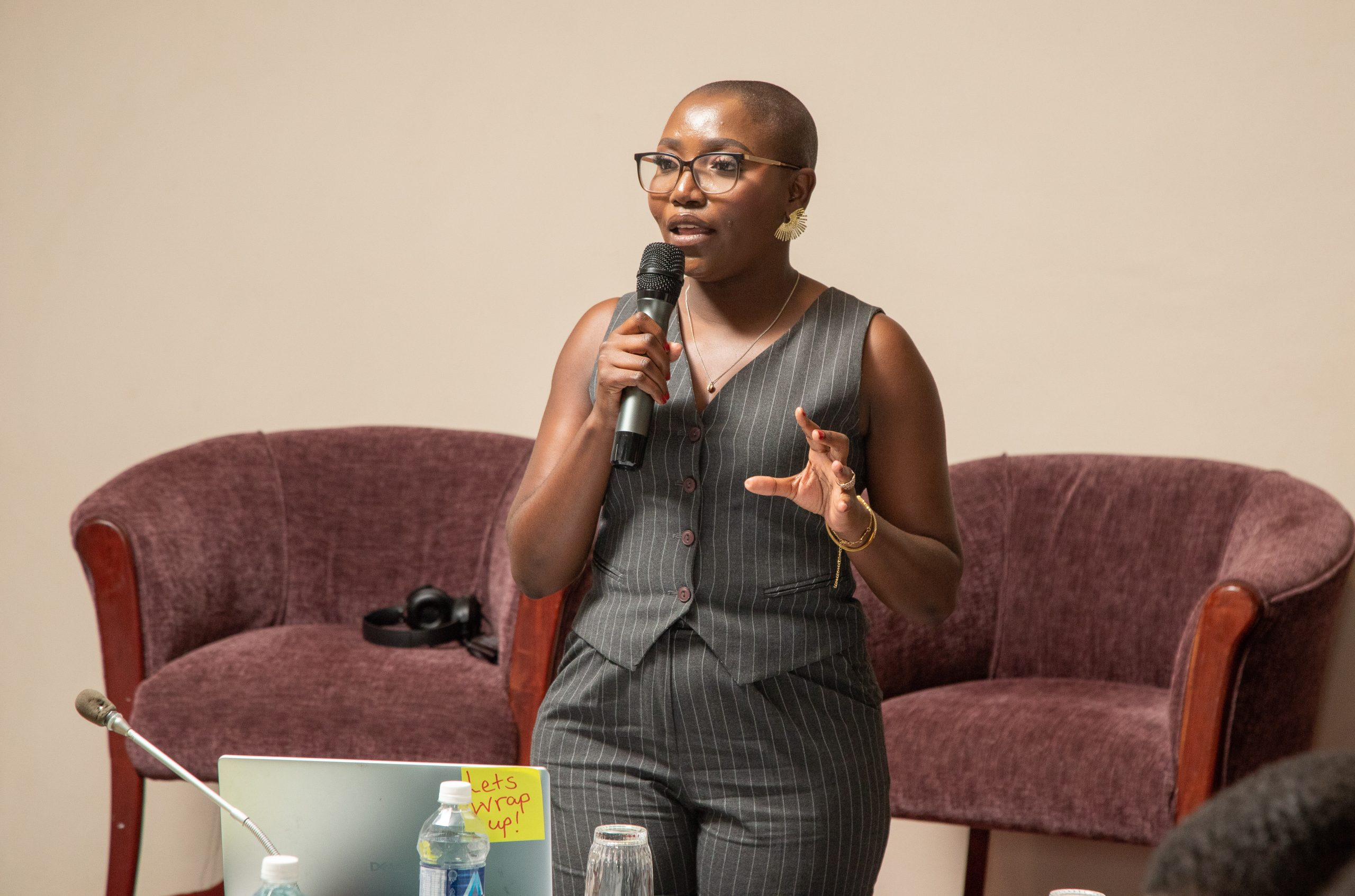
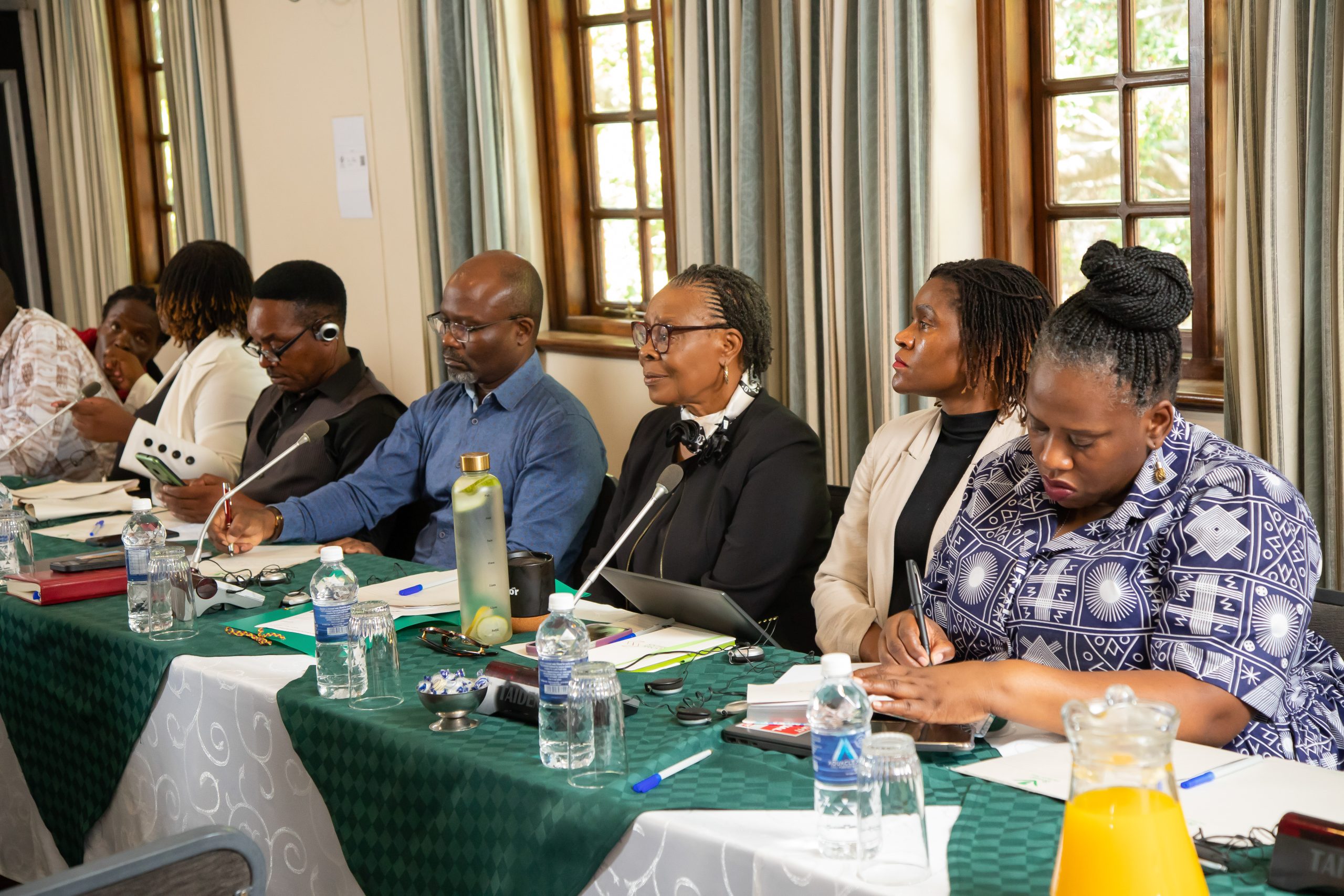
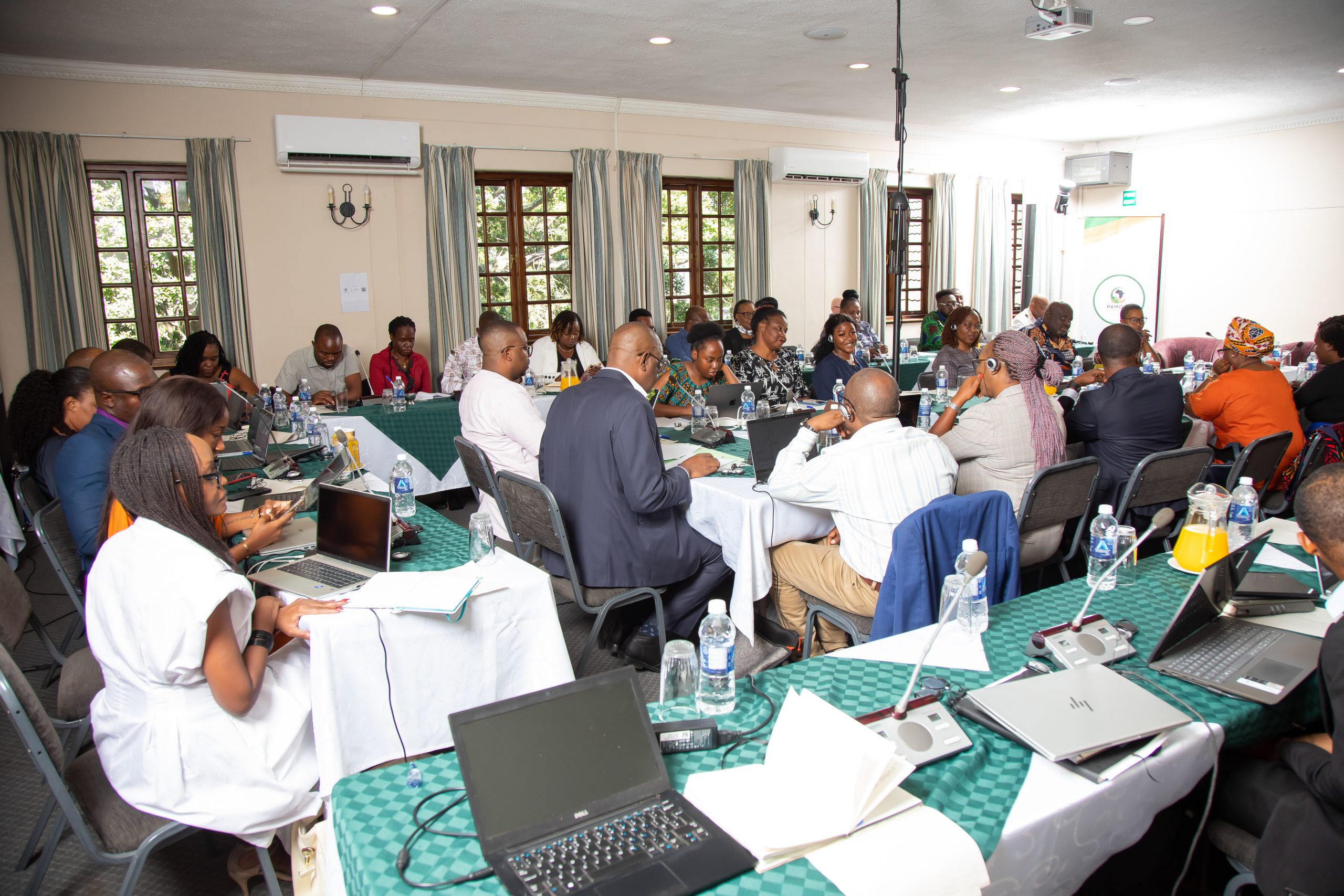
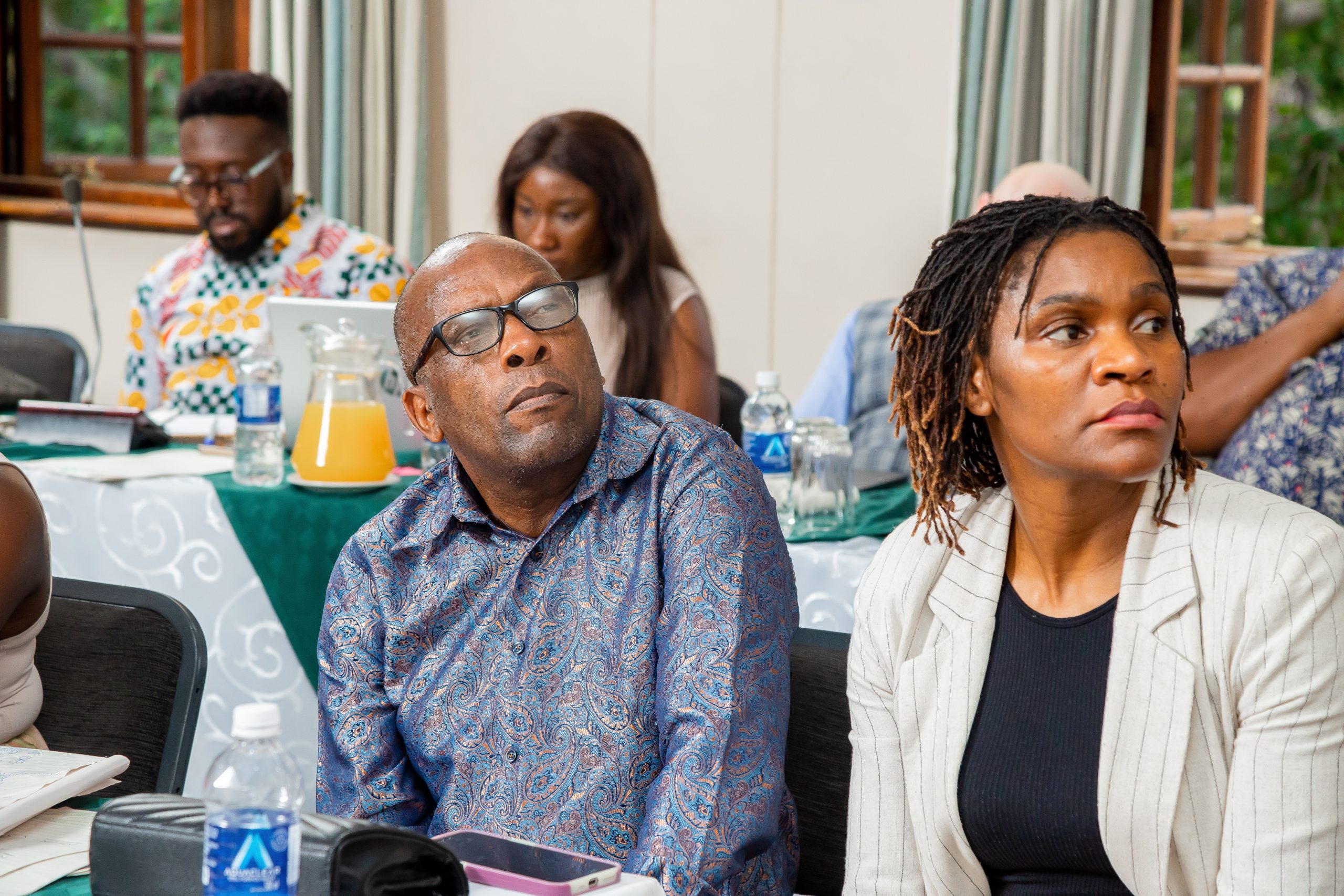
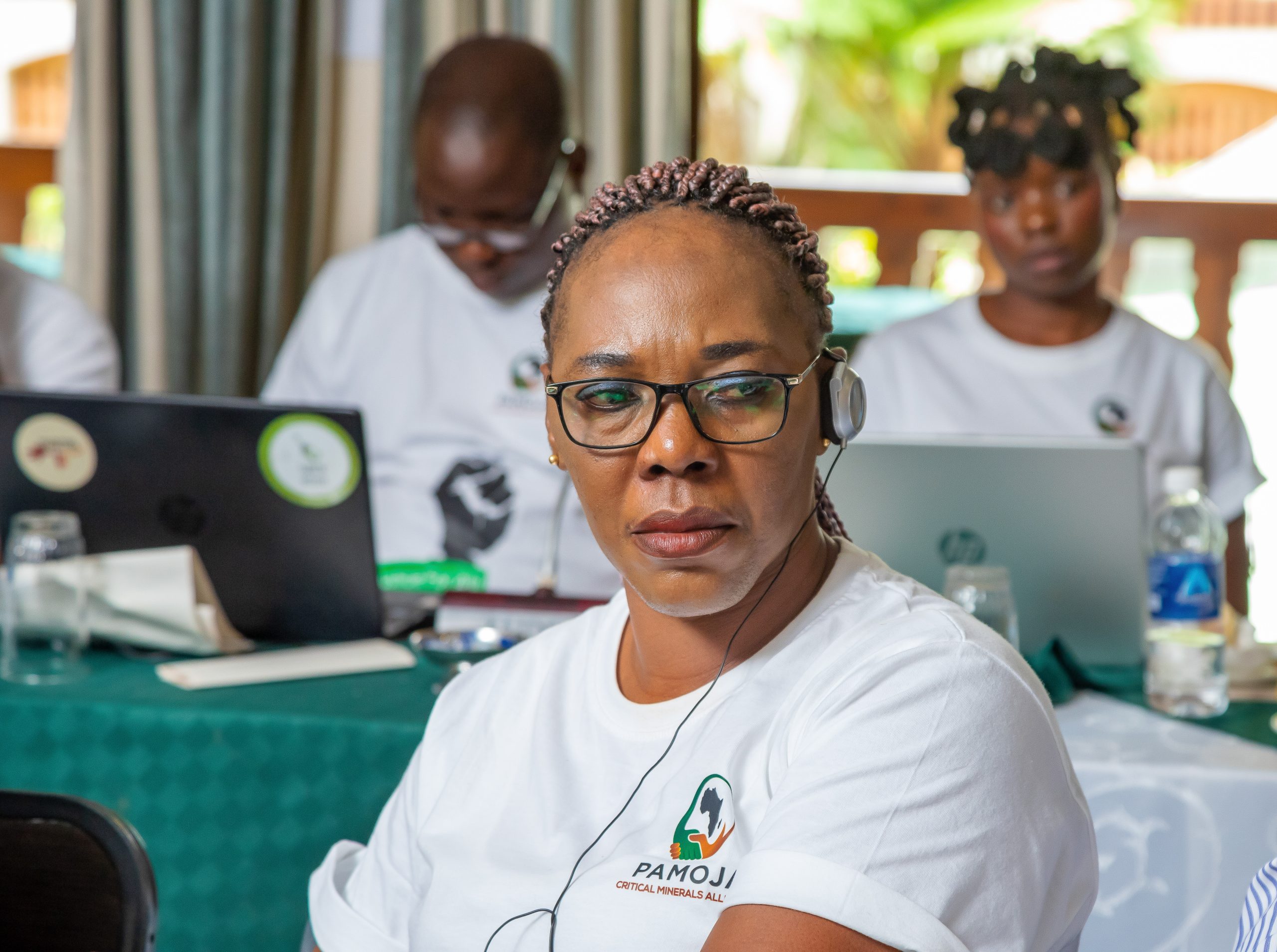
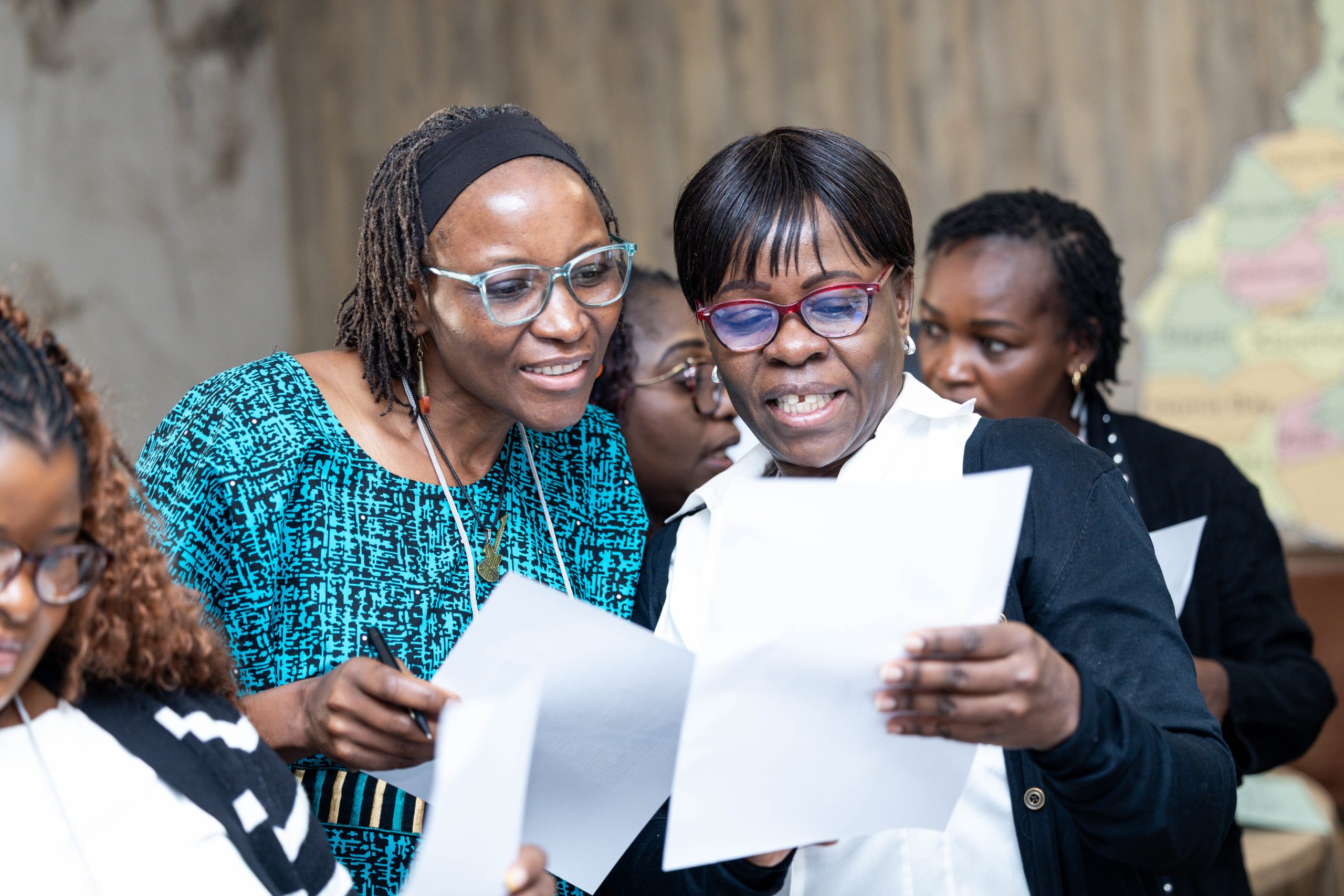
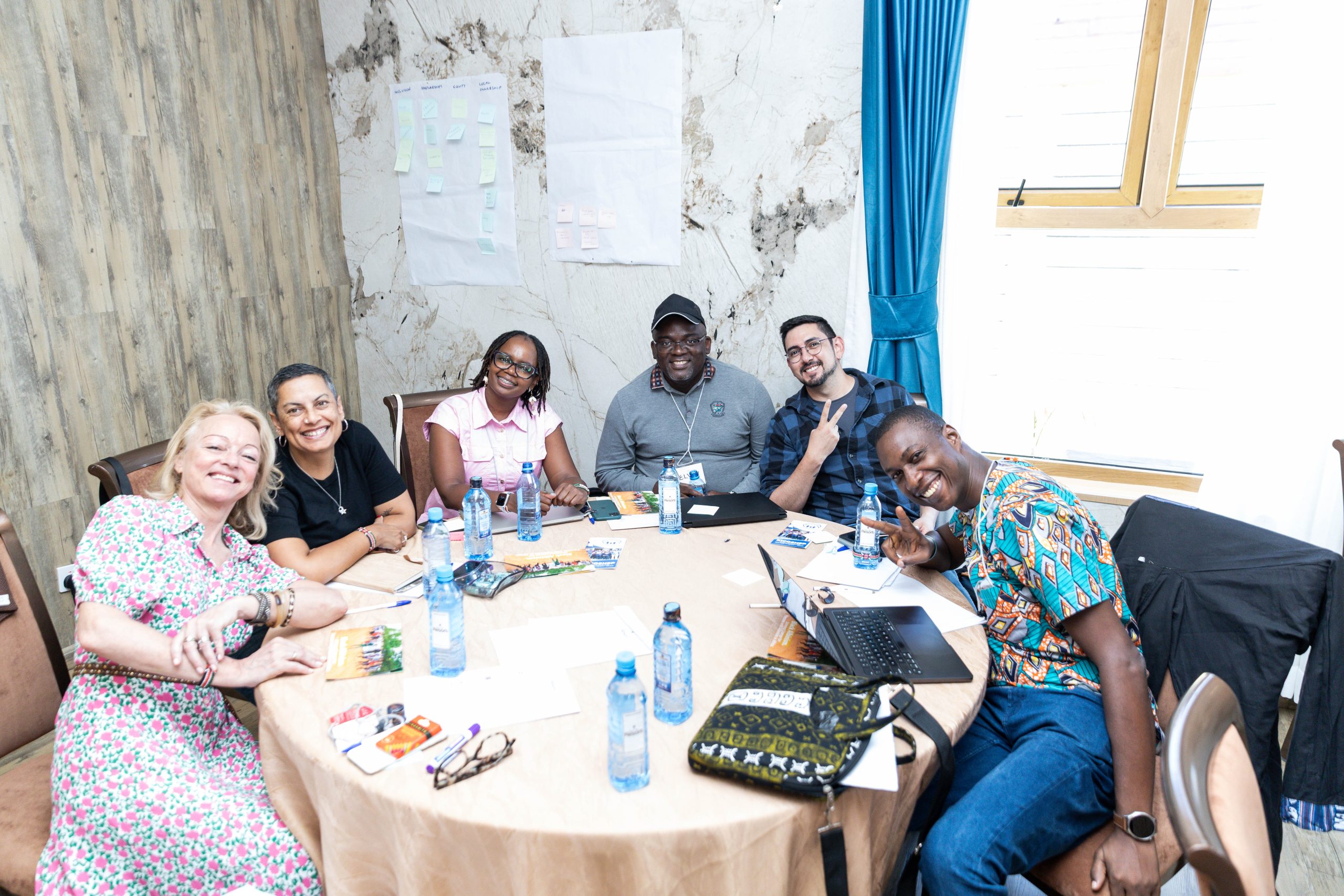
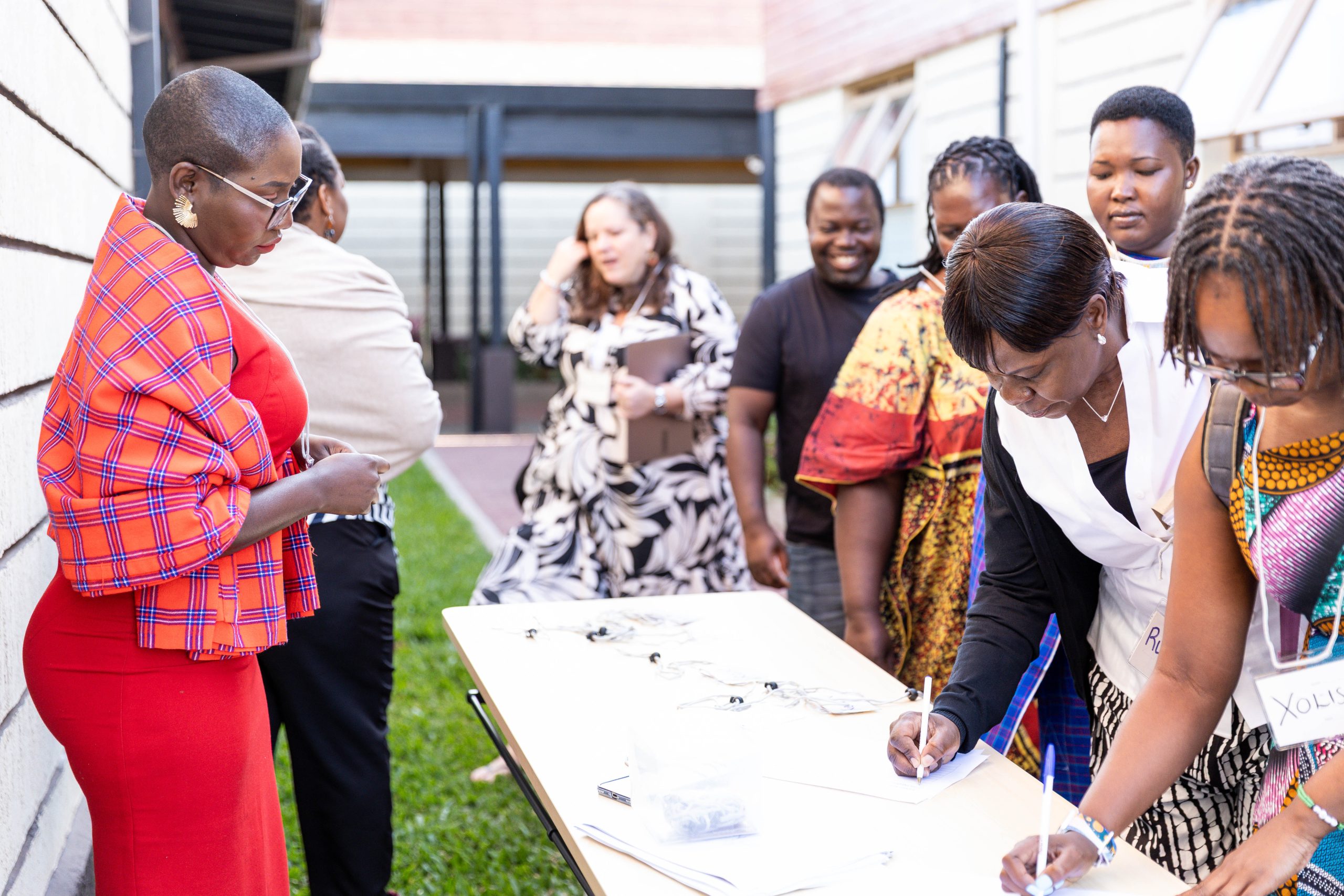
The workshop brought together an extraordinary cross-section of voices: grassroots activists, Indigenous leaders, trade unions, women’s movements, youth advocates, disability rights representatives, and policy actors from across the African continent. These are people on the frontlines, in the mining corridors, in the communities, in the halls of advocacy, and for two days, they sat together, spoke honestly, and built something real.
Day 1 was about truth-telling. Each constituency brought its lived reality to the table. Women spoke about the invisible burdens of mining expansion, the care work that multiplies when environments are disrupted, the exclusion from decisions that reshape their lives. Indigenous leaders named what is too often unnamed: the violation of land rights, the absence of consent. Youth delegates refused to be tokens, they demanded genuine seats at the table, not symbolic gestures. Labour voices tied the fight for decent work directly to the push for beneficiation. Every voice added a layer. Every story reinforced the same truth: extractive governance is everyone’s issue.
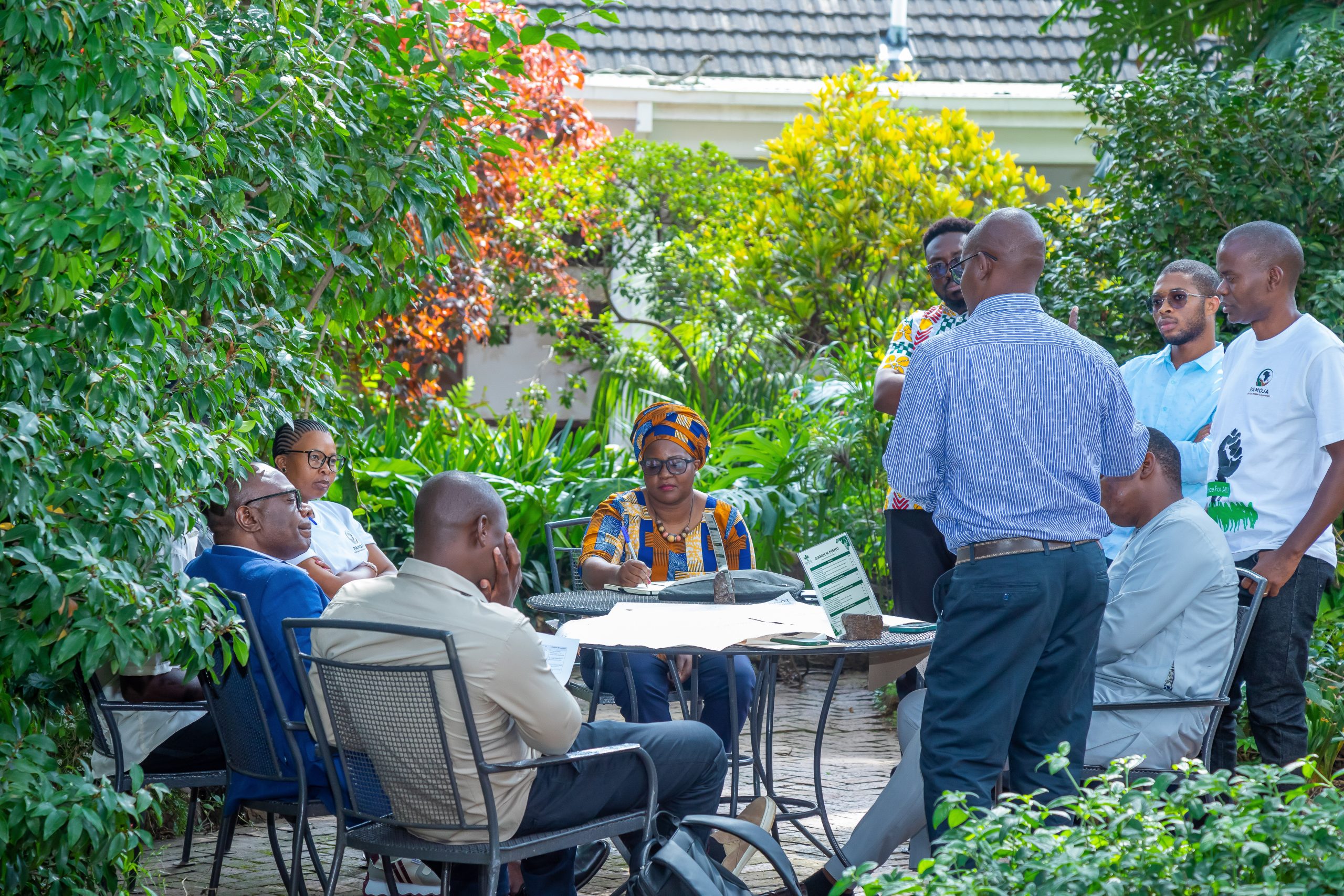
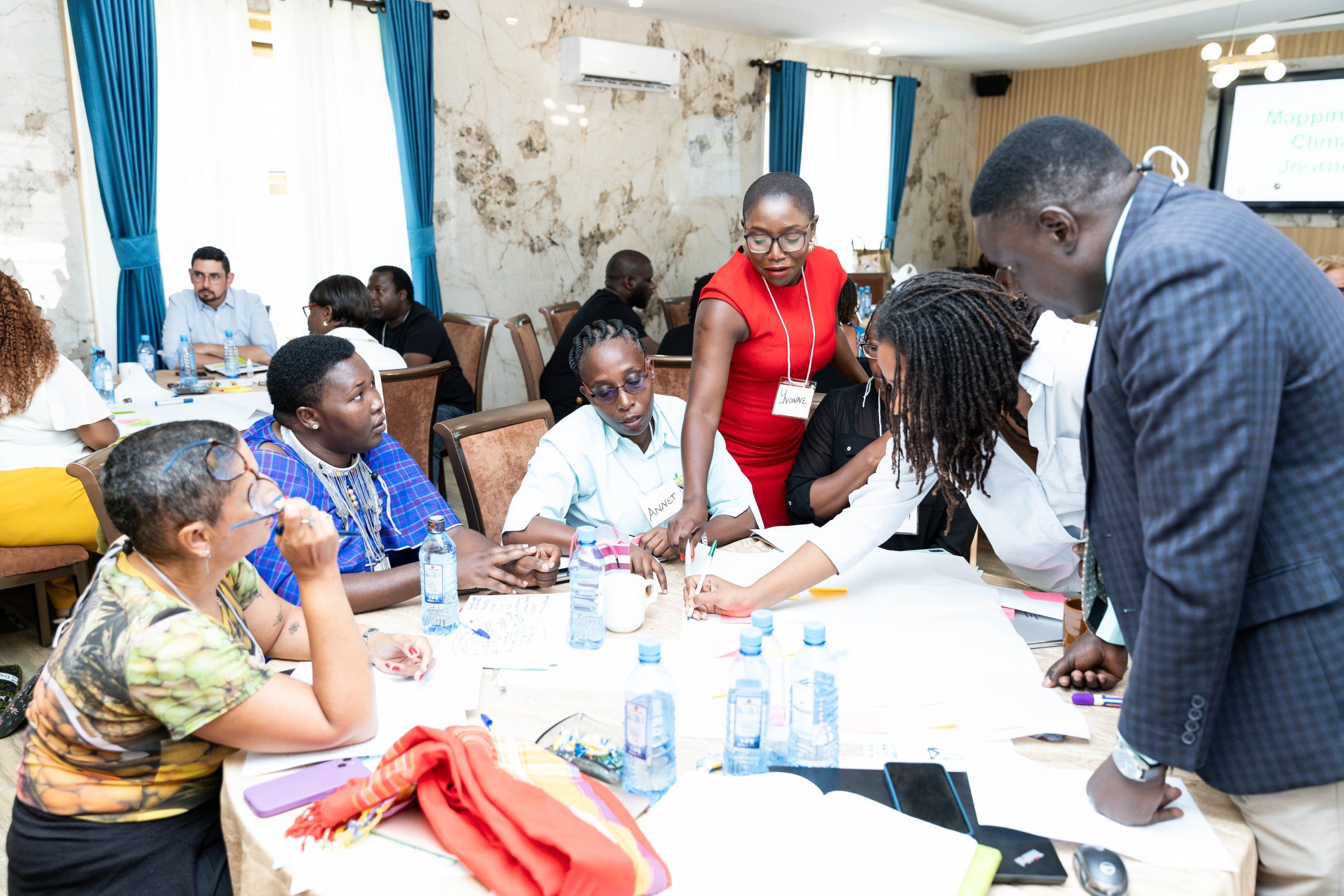
Day 2 was about action. The energy in the room shifted from reflection to resolve. Participants mapped solidarity, designed campaign strategies, and worked through the architecture of a governance structure that could hold this alliance together across borders and movements. The sense of collective purpose was unmistakable.
And then came the moment that crowned it all the adoption of the PAMOJA Declaration and the official launch of the Alliance.
The PAMOJA Declaration: A Line in the Sand
The Declaration is not a wish list. It is a set of demands grounded in justice and backed by a continent-wide movement.
It says: Africa’s minerals must build Africa’s future. It says Africa First! Raw material exports without value addition, without industrialisation, without transparent revenue management, that era must end.
It says: Communities are not obstacles. They are rights-holders. Free, Prior and Informed Consent is not a courtesy , it is a legal and moral obligation. Transparency and meaningful participation are non-negotiable.
It says: A green transition that exploits Africa is not a just transition. Supplying the world’s clean energy inputs while bearing the social and environmental costs is not development, it is a new face of the same old extractivism.
The Declaration frames this as what it truly is: a question of power, governance, and the kind of future Africa chooses to build.
What the Southern Africa Trust Brought and What We’re Taking Forward
We are proud to have co-facilitated this convening alongside SARW. Our role was to hold the space ,to sequence conversations with intention, to bridge diverse constituencies, and to help a room full of passionate, politically sharp people move from dialogue to declaration.
It was some of the most meaningful facilitation work we have done. And it reminded us of why this work matters.
We left Harare with more than memories. We leave with a continent-wide network of civic actors ready to move together. We leave with deeper partnerships, new insights, and a clearer sense of where the Trust can add the most value in gender-responsive governance, in regulatory literacy, in linking mineral justice to broader economic sovereignty debates.
The movement is building. And we intend to build with it.
The minerals are African. The future must be too. Africa First
The Southern Africa Trust works at the intersection of climate justice and natural resource governance, supporting communities, movements, and policy actors across the region to advance equitable, inclusive, and accountable development.
By Janet Zhou (Country Manager: Zimbabwe) and Yvonne Muto (Partnerships and Resourcing Officer)