Delegates to the southern Africa multi-stakeholder regional dialogue have expressed worry over Covid-19 vaccine hesitancy among citizens in the Southern African Development Community (SADC) region, saying the trend will likely derail economic recovery in the region.
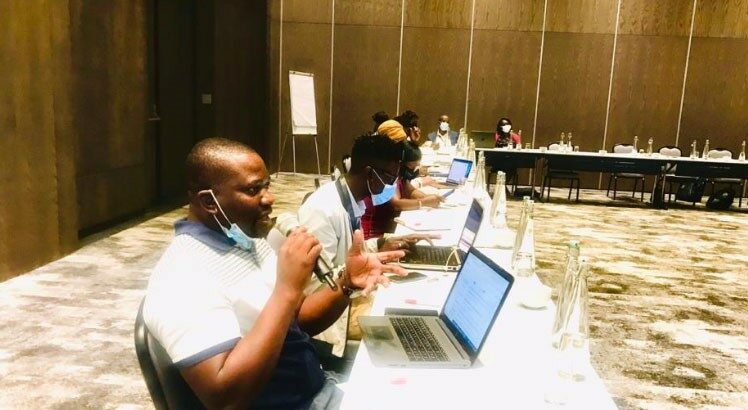
The experts made the call on Tuesday in Johannesburg, South Africa at the end of a multi-stakeholder regional dialogue.
There has been a low uptake of the Covid-19 vaccine in SADC members States, including Malawi with latest statistics showing that 933 856 have received at least one dose while 540 186 have been fully vaccinated, representing 4.9 and 2.8 percent, respectively.
Caption: Gondo: We looked at various issues affecting young people.
In Mozambique, 6.5 percent of the targeted population has been vaccinated while in Tanzania only 1.5 percent of the population has been vaccinated. Zambia is at 1.7 percent while South Africa is at 20 percent. However, Seychelles is leading Africa with 81 percent.
Southern Africa Trust (SAT) programme coordinator on economic policy development, Shamiso Chigorimbo, said the problem of vaccine hesitancy requires urgent attention, calling for more awareness in all sectors to ensure that more people get vaccinated and that the region reaches herd immunity.
She said: “Among the issues that came out is vaccine hesitancy, we want to work together and see what policies can be implemented to address this challenge if we are to defeat the virus and get back to normal.”
Southern Africa Youth Forum regional coordinator Misheck Gondo described the conference as a co-creation of ideas which allowed stakeholders to enhanced strategies on how best they can rectify some of the common challenges facing the region.
He said: “We looked at various issues affecting young people in the region and we clustered them within the economic, technological, social and political groups. “
Malawi targets to vaccinate 60 percent of the population or 11 million to reach herd immunity.
In September this year, the country failed to vaccinate 1.1 million to reach the 10 percent target since the vaccination campaign began in March.
Commenting recently on the vaccine uptake, Physicians Assistants Union of Malawi president Solomon Chomba said Covid-19 vaccines have, so far, proved effective and are providing a clear roadmap for economic recovery.
But he warned that if Malawians continue to shun the jab, the country risks being seriously hit by another wave by December this year.
About 30 representatives from various sectors and organizations from SADC attended the two-day conference, which was held under the theme, Are we Building Back Better Towards Economic Recovery?
The participants, among other issues, discussed common challenges facing the region such cross-border challenges, food insecurity and lack of social protection to the vulnerable people
When news about the COVID-19 first broke in December 2019, many countries in the world particularly, African countries did not give it much thought because of the fact that the first cases were recorded in Wuhan China. Which was far away from the shores of the African continent for many this was going to be a virus that would come and go just as many others such the first Severe Acute Respiratory condition (SARs) fever that broke out in the past. Covid-19 as a news item got very little attention and if at all, anything about it was reported it would be a very small component in our foreign news segment. In January 2020 the world health organization WHO declared the COVID- 19 a global health emergency because at this point, the covid-19 infection rate was on the sharp rise and this meant that countries across the globe would have to brace themselves for an unprecedentedly devastating global pandemic yet.
The first two cases of the covid-19 in Zambia were first reported on 18th March 2020, this was just but the beginning of a long hard fight against a pandemic that would bring the whole globe to a standstill and nothing would prepare the country for what was going happen. The pandemic has had adverse effects not only on the health sector of the country but also on the socio-economic sector of the country. With western countries such as the United States of America and United Kingdom putting in interventions such as total lock downs coupled with the Covid-19 preventive protocols, African countries such as Zambia were not only trying to come to terms with this harsh reality about the existence but the government hard to deal with the following challenges;
A good number of people, many in the middle to low income bracket believed that covid-19 was a virus that only affected white people and so not much seriousness attached to it and this consequently led to failure of adhering to the prevention guidelines.
The other challenge the government faced was whether to impose a lock down in order to protect the wide spread of covid-19 but this on the other hand meant people would face a bigger problem of starvation. Owing to the fact that majority of the population are in the informal economy and about over 50% are women who live from hand to mouth and have dependents to take care of. Imposing a lock down was going to be more disastrous than the pandemic so government put in place such as wearing masks, washing hands frequently, observing social distancing in a bid to control the spread of the virus but also allow people to go out and conduct business under the new normal.
The closure of public places like restaurants, bars, schools and the ban of social gatherings such as weddings and parties, was yet another move that had an adverse effect on the Small Medium Enterprises (SME’s) who would cash in on these events, this consequently led to close of business and loss of jobs for many especially the youth.
There was a sharp rise in mental health issues in many people who could not deal with the fact that they either lost a job or closed business and so there was need to address this issue as quickly as possible. The media has been in the forefront to address the issue that has come because of covid-19.
The closure of borders and the imposition of travel bans was yet another challenge that came as a result of the covid-19, this had an effect on the cross borders who used to travel to places like south Africa to buy goods for resell and on the other hand commodity prices increased due to low supply. The closure of borders further crumbled the economy because there was no longer an influx of tourists in the country, which then meant that there was going to be a shortage of the much-needed foreign exchange. To curb this government through the ministry of tourism working with different media houses has been encouraging the locals to visit tourists’ sights as a way of boosting the tourism sector.
While places like the United States of America and other European countries have been able to vaccinate almost 90% of their population, countries such as Zambia have had to deal with the fact that many people have refused to take the vaccine citing various reason. That include the western world’s plot to wipe out the black race and many other conspiracy theories, still others have blatantly refused to be vaccinated. As far as they know covid-19 does not exist and so this has made it extremely difficult for the government to reach its target of vaccinating over 30% of the targeted 8,000,000 by December 2021, as it stands only 5% of that number have been vaccinated.
Opportunities
As much as the covid-19 has had a serious effect on the health and socio-economic status of the country, it also has presented many people with opportunities to be able to think outside the box by coming up with innovative ways of doing business such as the following;
With government making wearing masks during the pandemic mandatory, many women started making cloth masks for resell to individuals and institutions.
Many companies and individuals had to start manufacturing sanitizers and hygiene products to help champion hand washing, which ultimately led to job creation for some.
Business owners started to make use of the digital space to be able to sell their goods and services.
With a lot of public places such as restaurants and bars being closed, we, saw the birth of courier services in Zambia like never before.
The other positive that has come as a result of the pandemic is that we have seen a multi-sectoral approach in the fight against the covid-19. There has never been a time when different stakeholders have together as much as they have come out to fight covid-19.
Government together and other civil society organization have been able to give covid-19 relief to families most affected, though many say they have not received this relief support.
The government has been on top of things through the Ministry of Health in ensuring that the country is updated on the evolution of the covid-19 in the country.
The Role of the media.
As the cases of the covid-19 across the globe escalated, with the death toll in Europe, America and South Africa which happens to be very close to Zambia began to sky- rocket there was need for the media to position itself as a key stakeholder in the fight against covid-19 by ensuring that we did the following;
Cover stories of how covid-19 was evolving either at home or abroad.
Keep the nation abreast with the information about covid-19 as received by the ministry of health.
Ensure that we are present at every media briefing by the ministry of health and other stakeholders so that we can effectively disseminate information to the public.
We have done our best to ensure that we cover stories about government and other non-governmental organizations efforts to offer relief to the most affected families.
We have also been able to cover stories of people who have been worst hit by the pandemic economically, with the hope of getting the policy makers attention and in the end hope; we can be able to see these people receive the much-needed support.
Working with the government of the republic of Zambia through the ministry of Health along with other stakeholders such as the Zambian National Public Institute (ZNPHI), Centre for Disease Control CDC Zambia. The media has taken a leading role in informing the public on first the existence of COVID-19. The dangers of it and how to prevent possible exposure by interviewing different experts in the medical field to come and talk about the seriousness of covid-19, how far they have come with the discovery of a cure or vaccine. This has yielded some results because many people will believe a Doctor or medical practitioner seeing that they are qualified to speak on the subject.
Among many other interventions we have come up with deliberate programs such as the breakfast shows were, we give the covid-19 daily status update as we receive them from the ministry of health, this is because of the fact that when people hear about something consistently it begins to sink in and becomes a part of them. In doing, this we hope that the public will in the end acknowledge and accept the fact that covid-19 is real. That the vaccine has potential to protect them and their loved one from possible risk of infection and that the vaccine is a huge step in the right direction to economic recovery.
Summary
The COVID-19 global pandemic has had such a negative impact on nations across the globe, despite the fact that most African countries have not experienced very large numbers. In terms of infection and mortality. African countries such as Zambia have been hit economically because of its geographical position of being a landlocked country. Zambia depends on other countries for imports and the covid-19 has put pressure on the country’s economy. As the world has started to open up, the media becomes key in ensuring that the public is kept abreast with what government policies being put in place to foster economic recovery on the other hand. The media has to position itself to reporting more on issues that affect the public in order to help government make policies that will result in the restoration and recovery of the economy.
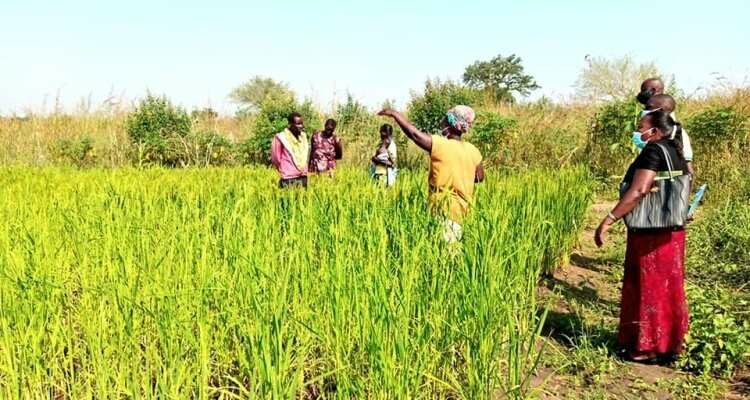
When one has had a chance to visit the rural areas or villages, you would without effort notice that farming is the main economic activity for many dwellers. In Malawi alone, though characterized by low levels of input and low output levels, small-scale farmers cultivate about 4.5 million hectares of land. With the capacity to produce and ultimately feed the nation, the effects of the COVID19 pandemic has resulted in the drastic weakening of the food system, the estimated 2 million farming families have been excluded from the agri-economy of Malawi.
With the new reality of the pandemic, the smallholder farmers have faced an exacerbation of pre-existing challenges which range from lack of access to land, limited access to credit facilities to purchase equipment, and having little knowledge about advanced technologies and tools that can assist them adapt to climate change and improve agricultural production. This is why the Southern Africa Trust (the Trust) has designed a series of interventions tailored specifically working with farmers associations to facilitate dialogues that help the efforts of governments in the southern Africa region in uplifting the plight of smallholder farmers. This is one way in which the organisation is fulfilling its mandate of uplifting the living realities of the marginalised and vulnerable people across the 16 SADC countries.
To fulfil its work, the Trust is collaborating with numerous civil society technologies and increase input, something which assures increased returns in terms of harvest.
Through the commissioning of extensive research, the Southern Africa Trust has developed a series of policy briefs which have been published and made available to policy makers across SADC governance structures. One such research was commissioned in 2020 in response to the observed impact of the pandemic, was titled “Accelerating the Goal of Food Security For all in SADC by 2025”. In researching for this policy brief, the study found that land should be considered as a key resource for agricultural production recommending for the implementation of fiscal policies that reduce inequalities in the distribution of assets and incomes, so that the benefits of growth are used for the wellbeing of all communities.
Phiri believes African women smallholder farmers can achieve increased agricultural production with the right investment and policies. The success of the smallholder farmers will eventually result in significant benefits to families, communities and African countries. Writing about women farmers recently, Policy and Programmes Manager for the Trust, Christabel Phiri, called for increased support to farmer’s union and associations. She remarks, “Women farmers who are members of cooperatives or farmers’ unions and associations continue to express satisfaction with some of the benefits of belonging to these platforms. As members of these associations, women farmers have access to farm inputs like certified seed, capacity building skills, marketing information and sometimes ready markets for their produce.”
The long term recovery from the effects of the pandemic in Malawi reply heavily on the production capacity of smallholder farmers. National food security, cross border trade activity, migration employment and stimulus to day to day economy will be much the weaker with a weakened farming sector. The implementation and support of policy recommendations will enable an upswing as Malawians work together to build back better.
In a time where employment opportunities in the semi-skilled sector are limited, informal cross border trade has become the go-to economic activity for thousands of Malawians, particularly women, looking to generate income.
Informal cross border traders travel to countries such as South Africa, Zambia, Zimbabwe and Tanzania and return with various goods including food, clothes, business utensils and stationery amongst many others. These activities have been largely affected over the last year due to travel and trade regulations implement as a result of the pandemic, felt even more greatly by women in the sector.
The Cross Border Traders Association of Malawi (CBTAM) is a civil society organization which works to strengthen, promote and protect Malawian cross border traders by improving the trade conditions as well as protect the rights of informal and formal trade businesses. CBTAM has 2,650 members, 1,650 of whom are women who are very often the sole provider in their homes and communities.
Steve Yohane is a representative from CBTAM who shared an overview of some of the challenges that women informal cross border traders faced both before and during the pandemic, some of which include harassment from the police when women are crossing borders.
He added that sometimes traders clear goods at the border but a few kilometers later they also encounter a roadblock erected by customs officers where there are differences in terms of tax calculations. This results in a financial loss for the women who either feel forced to pay bribes to officials or end up pay higher taxes.“Police officers sometimes request receipts that are produced at the border, which is not their duty as police officers. So women, who are often traveling without much physical protection or confidence on how to exercise their rights, work in fear when going about their business.” he said.
The effects of the COVID-19 pandemic regulations has hit thousands of homes as informal cross border traders cannot travel. And while the option of the internet has been explored, this presents challenges for traders as the items delivered are different from the ones purchased, with little solace offered in returns policies.
According to Yohane, there is also a gap in information sharing among customs officers. He noted that one of the platforms used is COMESA Simplified Trade Regime (STR) – which allows traders to enjoy duty free status when importing goods from countries under COMESA – but some officers do not know which items are under STR.
Christabel Phiri, a Mobilization and Engagement Manager at the Southern Africa Trust says the Covid-19 pandemic has exposed issues which women have been facing for a long time.
“Most women find it easier to do cross border trade because it does not require too many of skills,” said Phiri, “However women often lack information on documentation and procedures required to trade effectively at the border.” She further added that most women traders have lost their capital and do not have access to money to recapitalize their businesses.
In the context of the pandemic, Phiri remarks “When government was putting up packages to help companies, there was no target for informal cross border traders because most of them are not formalized and do not have bank accounts.” This pushes the sector further away from development and exacerbates the effects of poverty within the communities that traders bread winners in.
To empower women in cross border trade, the Southern Africa Trust has been working with Cross Border Traders Association of Malawi to ensure that women have access to information on policies or trade agreements.
To support this work, Southern Africa Trust has conducted extensive research to inform policymakers on challenges women face and how they can be supported. This research is publically available and has brought together stakeholders in addressing the challenges faced in the sector in recent months.
In Malawi, for example, the Trust had engagements with the Ministry of Trade, Malawi Revenue Authority, Immigration and the Police on the implementation of the COMESA STR which was designed to benefit small scale traders. During the engagements, women informal cross border traders were present and able to share the challenges which they face in the hopes that policy makers and law enforcement better understand their plight and accommodate their needs accordingly.
“The Malawi Revenue Authority committed to work with custom officials at the borders to help women cross borders to understand and use the correct documentation,” said Phiri. She added that the cross border association now has close relationship with the government which offers an open door allowing traders to follow up on issues.
Yohane says Malawian cross border traders are in a better position now because of support from Southern Africa Trust.
While progress has been made, more action is needed in order to address challenges women cross border traders face amid and beyond the pandemic. Phiri proposed that government could make a massive difference by implementing a programme which incubates women informal cross borders who have been forced to stop trading as a result of the pandemic to restart their businesses.
She said: “Most of the women cross border traders do not have alternative sources of income, are financially excluded and are unmarried, and the pandemic has really affected them.” Government led intervention will revive economic development and empower traders to put food back onto the tables of the communities plates.
A Cross Border Traders activation event, which Southern Africa Trust hosted with the Malawi Cross Border Traders Association in January 2020 (hence the absence of face masks). At this activation, the new COMESA trade guidelines were launched, specifically to support and protect women in cross-border trade
The Southern Africa Trust (SAT) has welcomed the launch of the African Continental Free Trade Agreement (ACFTA), which came into effect on 1 January 2021, expressing the hope that it will significantly benefit women and youth cross-border trade, particularly in southern Africa.
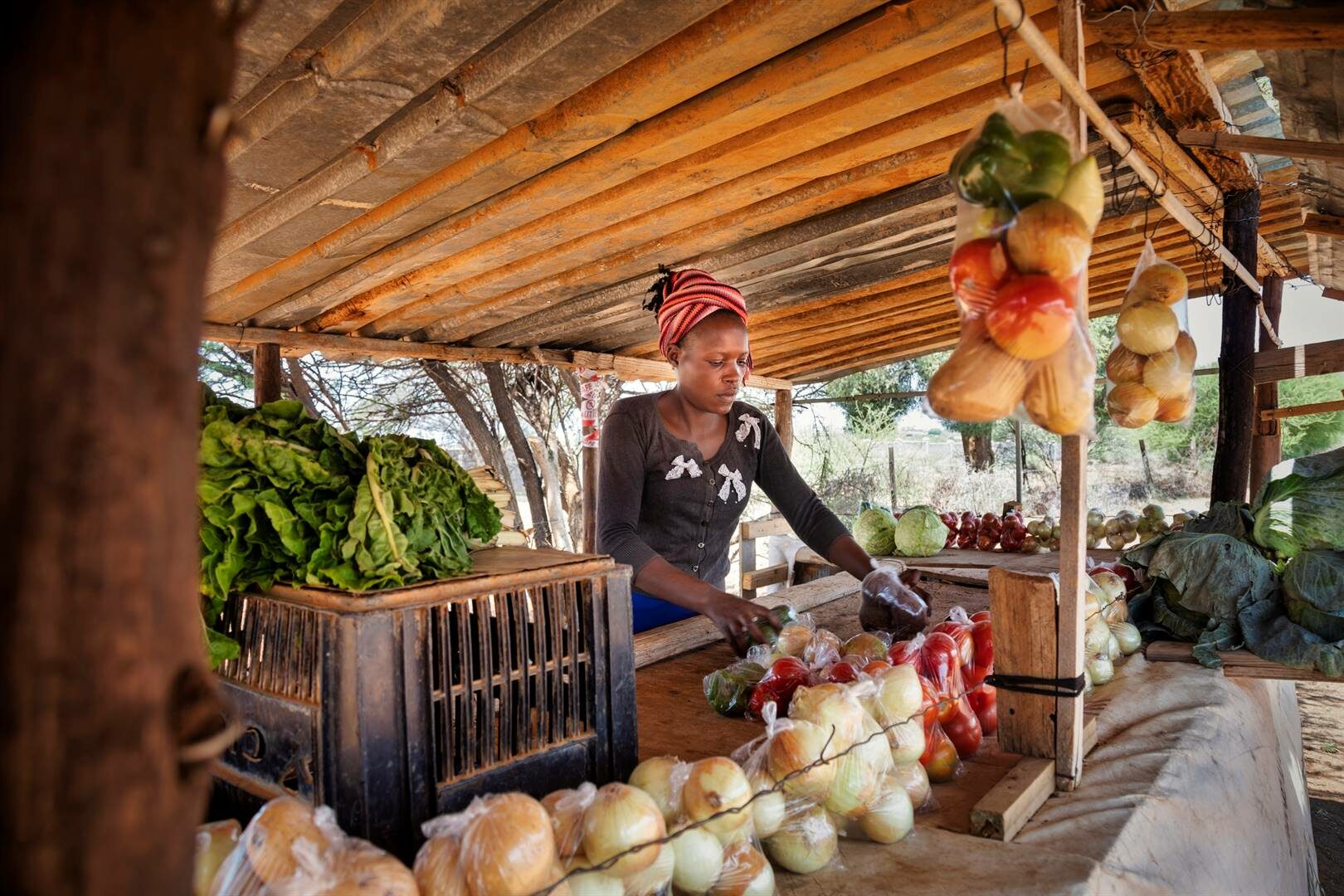
Christabel Phiri, a Mobilization and Engagement Manager at the Trust, said her organisation has been proactive in addressing the plight of women cross-border traders for many years, especially those in the informal economy selling products such as vegetables, fruit, fish, meat and dairy products.
The Trust also focuses on influencing policies to end poverty, and Phiri plays a strong role in ensuring that this vision is realised. She has extensive experience in facilitating dialogue between policymakers and civil society organisations, as well as a rich capability in policy-relevant research management skills.
The staff of the organisation play an instrumental role in bringing the poor, the government and the private sector together to find solutions, oversees the various programmes at The Trust that support responsive policy development. Working across the fields of agriculture, trade and migration, the staff monitor how these programmes affect the lives of the poor.
The Trust, according to Phiri, was established to give agency to people living and affected by poverty through innovative and proactive interventions which challenge for polices in the region to support the improvement of their quality of life.
The Trust works through partnerships formed with civil society organisations, governments and intergovernmental agencies to ensure that development achieved through regional integration and economic growth is driven by the participation of citizens in the SADC region to reduce poverty.
Phiri said the launch of the AFCTA is poised to improve trade relations between African countries, saying enlarged regional markets offer local small and medium enterprises supply and value chain linkages into other markets outside the region.
Phiri added that informal cross-border trading is important not only as a source of employment; it also assists in the eradication of poverty and contributes immensely to food security.
She said women, who are major players in this cross-border trade sector, stand to benefit the most from any measures aimed at promoting cross-border trading.
“The AFCTA offers local entrepreneurs, especially women, many opportunities, including agricultural transformation. Farmers stand to benefit, largely from opportunities to add value to their products and contribute to the regional body chains, and feed into many sectors,” said Phiri.
“Women comprise over 80% of the sector in the SADC region. It is one sector that has been able to turn women into breadwinners, and empowered many women to be financially independent and be able to put food on the table. The sector has a positive gender impact and must be supported.”
The AFCTA is currently the largest trading bloc in the world, comprising 54 African nations.
According to the African Union (AU), AFCTA is larger than the European Union in terms of geographical expansion and the number of member states.
The agreement aims to boost trade by 52% by harmonising a market of more than 1.2-billion people; it will become one of the world’s biggest free trade markets.
The agreement will consolidate the many small, fragmented markets in Africa for investment flows, especially in export-led manufacturing. It will also help the continent meet the targets of numerous Sustainable Development Goals by 2030.
However, African nations have a lot of internal reforms to achieve if the benefits contained in the AFCTA are to be attained. Analysts say corruption, bureaucracy and other bottlenecks to trade have to be dealt with before the AFCTA can be successfully implemented.
African economists and policy analysts have asked several pertinent questions about AFCTA: are African nations really as pan-African as they claim to be? Do they have more than national interest at heart? How will the AFCTA work where other regional blocs have failed?
Augustine Tawanda, General Secretary of the Zimbabwe Cross Border Traders Association, said he hoped AFCTA is able to open up space for fair trade and positively impact on the informal economy operators.
“As small-scale traders we lobbied for the COMESA (Common Market for Eastern and Southern Africa) Simplified Trade Regime (COMESA-STR) as we negotiated for the AFCTA, and we hope it will benefit informal operators, because previously, the tone of the trade agreements always favoured the interests of the multinational companies and big players, leaving small informal traders out in the cold,” said Tawanda.
He said it would also be important to watch how the AFCTA will also deal with challenges posed by the Covid-19 pandemic.
Tawanda said the situation at Beitbridge border post between South Africa and Zimbabwe was unacceptable and put the lives of many people, including traders, at risk.
He said cross-border trade on foot was halted and large consignments were stuck at the border post, while drivers complained of long queues due to the mandatory coronavirus testing at Beitbridge border post.
“We witnessed the chaos and stories at Beitbridge border post. It was definitely a pathetic situation. Obviously systems were overrun and actually exposed a lot of people to the dangers of Covid-19, including informal traders. We hope the AFCTA will address these issues.”
Tawanda said the closure of borders affected thousands of Zimbabwean cross-border traders, who had to deal with South Africa’s Border Management Authority Act 2 of 2020.
Phiri said The Trust is deeply concerned about how many informal cross-border traders and farmers in southern Africa are affected by the Covid-19 pandemic.
The pandemic, she added, has created many challenges for many countries in southern Africa, including South Africa. Land port closures affect trade across physical borders, much of which is small-scale and informal, and which requires the movement of people.
“There are no employment opportunities and many poor and vulnerable people’s lives are in jeopardy,” said Phiri.
“There has been limited movement across borders due to Covid-19 pandemic affecting cross-border trade and livelihoods. We are currently engaging with the Southern African Development Community (SADC) and the AU on how to intervene and harmonise cross-border trade.”
She said the Covid-19 pandemic has meant loss of income for cross-border traders, adding that it has also brought to light “the weak healthcare systems we have in Africa”.
“Many traders run informal businesses and their businesses are not registered. When countries offered relief packages to businesses and other sectors, cross-border traders lost out and did not receive any financial support because many are not formalised,” said Phiri.
She said while AFCTA was welcomed, the challenge for organisations such as The Trust at the moment is how to assist informal cross-borders traders during the pandemic to recapitalise their businesses, as many are unable to access formal financing.
Many traders, particularly those in Lesotho, Mozambique, South Africa, Zimbabwe and Botswana, are unbanked and rely on expensive informal loan sharks for bulk stock purchases.
“It’s very difficult to approach banks as they demand security and a clean profile. That’s been the biggest challenge facing traders during the pandemic. Many informal traders are now in debt and are not able to repay loan sharks, and face major risks,” said Phiri.
“There are so many challenges at the borders. Access to information is one of them. Most of the traders do not have the relevant documents. We also need better border management systems, including infrastructure and improvement of roads.”
Phiri said one of the urgent priorities of The Trust with regards to AFCTA was to ensure that traders have access to information in English and various national local languages.
She said translation of information is also crucial, arguing that the risk of not translating information is that it perpetuates marginalisation through language and disempowers cross border traders from being able to trade to the best of their ability within their markets. Diversity of language is an enabler of progress for the work to end poverty, said Phiri.
“We also need better communication strategies around the Covid-19 pandemic, using platforms such as WhatsApp and other social media apps. Community radio stations can also play a role and be used to inform citizens about AFCTA and its benefits,” said Phiri.
The sharp increase in Coronavirus infections within the Southern Africa region is cause for great concern and calls for immediate remedial action. In less than a week, the number of infections has increased five times over and infiltrated into all but four of the 16 SADC member nations. For the vulnerable and those living in poverty in the region, this results in increased pressure on our medical and disaster recovery resources, therefore compromising the various economies that sustain all people living and working in the region.
Our primary concern is more specifically for women, small businesses, informal and cross-border traders, small scale farmers, migrant workers and refugees, domestic workers, and ex-mine workers in the region. Many of these individuals are the primary caregivers and economic providers for their families and yet are highly vulnerable to exposure to the virus, this over and above their existing exposure risks. The civil society organizations that work specifically with these groups of individuals require increased access to flexible solutions in order to facilitate their relief in these challenging times.
The continued spread of Coronavirus across the Southern Africa region presents unimaginable challenges that our benefactors and the people of the region will not survive, unless drastic short- and long-term measures are implemented immediately.
While many nations have implemented precautionary mechanisms to limit the spread of Coronavirus, we are deeply concerned with the light manner in which they are taken by national residents. Ours is a region with many migrant workers who regularly cross borders in various capacities; as such, any non-compliance with precautionary declarations will have a direct impact on the greater region and thus increase the spread and rate of infection of the virus. We stand in solidarity with the vulnerable populations of our region and therefore make calls and statements for action:
We commend the decision of governments to lockdown countries and cities in their drive to flatten the curve of the spread. As difficult as this decision is and with the various complexities it presents, we call upon the national leadership of each SADC country to implement nationwide lockdown. This is for the sake of the survival of their people and economies. It is at this time that collaboration with the private sector becomes necessary. In addition to working with the government sector, we call upon employers and economic influencers across all industries to make extended provision for the lifeblood of their organizations – their workers and immediate communities.
The work and voices of civil society organizations, the arts sector and community foundations become increasingly relevant at this time as they engage with and represent the most vulnerable communities. We urgently call upon governments and the private sector to provide financial relief in supporting the civil society sector, as they will do for the small business sector.
We call on governments to recognize the intersectionality of the borders in the SADC region by providing financial and well-being support mechanisms that include migrant workers living in countries where they work. All instances of relief need to factor in temporary and national residents.
It is important to acknowledge the work of medical service practitioners and civil servants who are at the front line of the pandemic and work tirelessly to fight an unknown enemy. As an organization, we salute your selfless work and will support you throughout this time.
We encourage SADC governments to ensure that all public health facilities are equipped with adequate testing, protective and other necessary equipment such as beds and medicines. It is imperative that villages, informal settlements and townships have access to clean water throughout this precautionary period.
To our partners, we will remain fully accessible to each of you. It is in times like this that our level of communication and engagement should deepen, albeit through use of modern technology mechanisms. In addition to having access with our team members, we’d like to invite you to collaborate with us in developing a body of knowledge that collates ours and the experiences of the vulnerable who we serve. Please expect a follow-on letter in the coming days where we will share details of this invitation, how each of us can participate and the intended outcomes arising from this.
It will be through our ability to collaborate particularly in this time that an impactful difference can be made as we navigate through the pandemic. We ask that you remain vigilant and committed to your beneficiaries in what is a tough time for all.
To our donors, we remain committed to our mandate and will work innovatively during this time to make the impact that you have entrusted us with. We ask for your continued support in enabling our mandate to the people of our region.
To the people of the SADC region and across the globe, we ask that each of us remain resilient and steadfast in overcoming Coronavirus. It is every person’s responsibility to comply with state declarations and extend these where needed, in order to contain the rapid spread.
We firmly believe that in the same way the region has overcome past pandemics and injustices, we will overcome Coronavirus. The future of the region is in our hands.
From the Board and Executive Management of Southern Africa Trust
During the lockdown period of the pandemic, many communities were placed at risk of greater exclusion as a result of the restrictions on movement and limited access to communications platforms due to data requirements and costs. Civil Society Organizations across the regions rose to the increased demand for their support in spite of their own experienced challenges. In a response to the urgent need to connect communities with an aim of informing, engaging, and sharing experiences with the broader society, the Southern Africa Trust launched a series of webinars titled Society Talks which has succeeded in bringing the plight of poor communities within the Southern Africa Development Communities (SADC) region during the pandemic, to light.
One pertinent area of discussion has been on food security and how the restrictions imposed due to the COVID-19 outbreak have negatively affected particularly women and youth engaged in agriculture and informal trade. While food security was a problem prior to the pandemic, the situation has thrown a spotlight on how the discourse around the sector has been managed by the various governments across Africa, underscoring a need for urgent improvement.
While smallholder farmers add significant value to food security, operating as informal traders at a micro-level means they are often excluded from the value chain. More emphasis needs to be placed around creating inclusive spaces within these value chains to acknowledge and encourage the smallholder farmer contributions, supporting local economies. Numerous participants agreed that Africa has the capacity to produce healthy food for its people, even in times of a pandemic or natural disaster. The need for food sovereignty is obvious, along with a focus on reducing imports like rice, oil, and wheat. To solve hunger problems, there needs to be a move away from global commodity chains and re-localize food systems.
The direct impact that the pandemic has had on informal traders, mostly women, has been dire. With no market access and no cross-border trade permitted, farmers were unable to sell their product, and traders unable to get food staples in exchange for fresh produce. The knock-on effect also is the possibility of wasted growing seasons due to the lack of access to seed.
A recurring theme in the webinars is the need for sharing of knowledge and collaboration on response strategies. As a direct result of the Society Talks, 12organisations, initiated by the Southern Africa Trust, Graça Machel Trust, Mandela Institute for Development Studies (MINDS) and the Centre on African Philanthropy and Social Investment(CAPSI), have formed a call to action, directed to SADC Secretariat, that outlines the belief that regional intergovernmental coordination and democratized engagement with community and social actors in neglected sectors is a priority. By focusing on the goal of food security in the region, equality and human rights will be strengthened, while opportunities across the food chain for rural and urban youth will be created.
To respond to the immediate socio-economic hardships caused by the pandemic, as well as building a new foundation for a sustainable and resilient recovery, the document presented to SADC has the following policy recommendations (in summary):
Strengthen the ecosystem of support for smallholder, family, and subsistence farmers
To do this, agricultural policies must support the smallholder, family and subsistence farming sector, with particular emphasis on climate resilient agro-ecology methods, while strengthening indigenous farming knowledge; expand access to land and support land redistribution programmes; offer public financial support programmes; strengthen local value chains; promote and protect the rights of rural women food producers; and crack down on exploitative and anti-competitive business practices.
Invest in the role of women in food security
Women and children must be put in the center of recovery efforts in the agricultural sector, involving them in policy dialogue and decision-making; adopt a gender-based right to food and nutrition frameworks; involve rural women in the mitigation and adaptation development strategies in relation to climate change; eliminate gender, racial and ethnicity, and class discrimination in the allocation of agricultural resources; and eliminate the discrimination, violence and harassment of women cross-border informal traders.
Involve youth in agriculture
Establish support programmes for rural youth that provide access, such as land loans, quality seeds and technical support; expand free vocational training and education in agriculture, targeting the large proportion of unemployed young people; support the development of youth farming organizations and co-operations; expand and improve internet connectivity services to rural areas to enable access to information and markets; create job funds at national levels to encourage local businesses and farming enterprises to hire and upskill young people.
Rebuild sustainable indigenous food systems
Defend seed sovereignty and rebuild sustainable indigenous food systems that eliminate the waste of natural resources; priorities the use of agro-ecology approaches; value and expand on the indigenous knowledge systems, including the teaching of this at schools; and reallocate land to sustainable farming to transition out of intensive monocropping industrial agriculture, in favor of models that are climate resilient, support biodiversity, reduce scarce water consumption and priorities local food needs.
Public financing for food security
SADC should halt the net capital outflows of gains from natural resources and urgently operationalize the Agricultural Development Fund; this fund should support smallholder, family and subsistence farmers, by establishing a dedicated food sovereignty and nutrition fund that supports the sustainable production of diverse foods; the fund should be open and accessible, with transparent monitoring and reporting frameworks; increase the overall national budget allocations to meet existing Malabo Declaration commitments.
Institutional frameworks and regional cooperation
The right to food, food security and nutrition should be recognized by SADC Member States in all national legislative frameworks, strengthening the emergency and long-term policy and programme co-ordination; a centralized multi-stakeholder food security and nutrition information system should be established; fast track the implementation of the SADC-wide universal protection floor, that guarantees access to essential healthcare and basic income security.
The time is ripe for change – a new regional strategic development plan by SADC could be the instrument to transform food systems towards models of food security that end hunger and secure citizen’s rights to development and self-determination.
“We always knew there were very vulnerable families and communities in our nations, but only with lockdowns we woke up to the need to provide for them, including distributing food, for them to survive. Without lockdowns, I don’t know whether we would have had the movement, which governments have taken to organize themselves, to dig deep and find their sources to provide for those vulnerable families, the unemployed and people living with disabilities.”
On the 2nd of April 2020, the Southern Africa Trust, together with the SADC Council of NGOs (SADC CNGO), convened a regional dialogue with civil society organisations to discuss and establish a common call for action amongst civil society actors in the SADC region in response to the COVID-19 global crisis. The dialogue provided a platform to share information, track the impact of COVID-19 on civil society institutions in the SADC region and draft common action points and commitment to effectively respond to COVID-19. About 20 regional organisations were in attendance, representing national associations of civil society, social movements, public health organisations, youth, refugees and migrants, ex-miners, small-holder farmers, rural women, women’s organisations, informal cross border traders, faith-based organisations and the private sector, among others.
List of Participating Organisations
ACT Alliance (Ubambano)
East and Southern Africa Farmers’ Federation (ESAFF)
Economic Justice Network (FOCISSA)
EQUINET – The Network on Equity in Health in Southern Africa
Gender Links
International Federation of the Red Cross and Red Crescent (Southern Africa)
Rural Women’s Assembly
SADC Council of NGOs
SAFAIDS
Sonke Gender Justice
Southern Africa Cross Border Traders’ Association (SACBTA)
Southern Africa Miners’ Association (SAMA)
Southern Africa Peoples’ Solidarity Network (SAPSN)
The COVID-19 pandemic has brought with it unprecedented circumstances globally that have necessitated action-based interventions and reflections on present policy stances across industries. The gradual easing of lockdown regulations within the Southern Africa region to ensure paced economic rejuvenation amidst the crisis, has created a conundrum of development. Governments have to balance the livelihood of citizens and economic functionality, a win for the private sector at the cost of the public.
The lockdown regulations implemented were not inclusive to communities of poor socioeconomic backgrounds nor to those who form part of the informal sector, migrants or small-scale farmers.
Since the start of the pandemic our primary concern has been towards women, informal and cross-border traders, small scale farmers, migrant workers and refugees, domestic workers, small businesses, and ex-mineworkers in the region. These are individuals who are typically primary economic providers for their families but are vulnerable to exposure to the virus and the economic shocks therewith. It has therefore been a critical task and goal for civil society organisations that work with these groups of individuals and entities to find amicable solutions to provide relief and financial assistance.
With the number of COVID-19 infections, deaths and lockdown measures implemented in the region, we recognise the need for consistent civil society interventions. Interventions that will be targeted at vulnerable and disenfranchised populations of our region. We stood in solidarity and made a call for action at the start of the pandemic, but we could not have anticipated the effects since then. However, many heeded the call and through engagements, bringing about many lessons about development, resulted in a point of reflection:
We commend the continued resilience and adaptability of civil society organisations, communities and the SADC region thus far in their ability to grapple with theCOVID-19 reality and their attempts to adjust accordingly.
In times of crisis we realise that young people hold the key towards our collective ability to build a cohesive future and that future investment needs to be targeted at youth initiatives. The vibrancy of the youth civil society population has played a major role in the adaptability to the virtual reality and in finding ways to continue being efficient and influential.
COVID-19 amplified challenges to accessing funding for most civil organisations therefore limiting their functionality. It is therefore pivotal for organisations to shift from developing funding proposals to finding ways to generate own resources through social enterprise and to be sustainable.
Cross-border traders, women in particular, have not been able to access inputs in other parts of the region due to the lockdown and this has impacted their ability to provide and sustain themselves and their families. To address this, a back-up social protection system in the SADC region will need to be put in place. A social insurance system that can provide basic income for all citizens should such a crisis occur again.
As a result of the pandemic, the world has moved into a technological and virtual era. However, the Southern Africa region and its civil organisations continue to experience gaps in these advancements. These gaps have been in the form of technological astuteness, load shedding, access to fibre, or simple access to the necessary gadgets for the beneficiaries.
Due to all the deterrences caused by the pandemic, there has been a policy lag. Governments have been using the crisis as an excuse to defer from implementing pending policies. The duty of the civil society is to find a balance between ensuring advocacy whilst holding governments accountable in times of crisis.
Our statement does not end here and the lessons learnt thus far will be translated to innovative interventions. We will remain engaged with civil society organisations and grassroots communities through our targeted initiatives, as we ensure the voices of the marginalised are included at the tables of policy decision making which affect their quality of life.
We firmly believe that in the same way the region has overcome past pandemics and injustices, we will overcome Coronavirus. The future of the region is in our hands.
From the Board and Executive Management of Southern Africa Trust
The state of disaster preparedness and climate resilience in the southern Africa region has come under the spotlight as the world commemorates the first anniversary of the Cyclones Idai and Kenneth. Exactly 1 year ago, these two natural disasters left immeasurable damage in 7 of the SADC countries, with over 2000 lives lost, hundreds of citizens left in disarray and millions of dollars’ worth of damage to homes and infrastructure.
While the aftermath of these massive cyclones resulted in an unprecedented humanitarian disaster in the region, the stark reality of the state of unpreparedness for disasters was exposed. This summoned the need for a collective and proactive approach to disaster preparation by government, rescue organisations and civil society.
Taking place from 2 to 4 March 2020 in Mutare, Zimbabwe, this gathering highlighted how citizens and participants have experienced existing regional Disaster Recovery Models. The report and recommendations from this dialogue will be submitted to the SADC Disaster Preparedness Technical Working Group via organisational co-members for the purposes of contributing to upcoming Disaster Preparedness Framework policy discussions within the region.