




Contacts

92 Bowery St., NY 10013

thepascal@mail.com

+1 800 123 456 789

service provider call
CareersNews

Service Providers Call

We are Expanding Our Service Provider Database

The Southern Africa Trust (The Trust) is a regional intermediary grant-maker, fiscal host, and activist fund working to end poverty and inequality in 16 countries in Southern Africa. Established in 2005 and based in Johannesburg, The Trust’s vision is an integrated Southern Africa where all people live empowered and fulfilled lives. Our mission is to amplify the voice and agency of impoverished and excluded people in Southern Africa by empowering them to access their full rights. Our mandate is to pursue change with those who live in poverty resulting from inequalities and exclusion.

The Trust is currently in the process of registering group/individual consultants/service providers to expand our service provider database. We are inviting registered, reputable, and qualified service providers to express interest in joining our vetted supplier database. As we continue advancing our mission to strengthen the voice and agency of people living in poverty across Southern Africa, we are seeking service providers who can support our work across our strategic focus areas across the SADC region. Join us as we work towards a Southern Africa where all people live empowered and fulfilled lives.

Categories of services
Professional and Consulting Services
  • Strategy and organisational development,
  • Monitoring, Evaluation & Learning (MEL),
  • Human Resources and Change management,
  • Action research and policy analysis
  • Training and workshop facilitation.
Creative, Communications and Knowledge Services
  • Photography and videography
  • Copyediting
  • Public relations management
  • Video editing and motion graphics animation
  • Graphic design, branding & communications
  • Advocacy and movement building coaching
  • Editing, printing & publishing
  • Rapporteuring and documentation
Operations and Logistics Services Call
  • Events management
  • Travel, logistics and transport services
  • IT services (hardware, software, network support)
  • Catering
  • Office and facilities management
  • General supply of goods and services
Governance, Legal and Financial Services
  • Legal advisory services
  • Board Secretariat services
  • Internal Audit
  • External Audit
  • Payroll Services
  • Finance professional services
Why Partner with Us?

We welcome service providers who share our commitment to:

  • Amplifying community voice and agency, especially among marginalisedand excluded groups
  • Advancing climate justice, economic justice, gender justice and social justice
  • Strengthening social protection and equitable economic recovery
  • Supporting youth leadership and engagement

Women-led, youth-led, and community-rooted service providers from across the SADC region are strongly encouraged to express interest.

How to express interest:

Please submit:

  • Company profile
  • Compliance documents (including registration, tax clearance, etc.
  • Summary Portfolio of work and/or client references
  • Contact information for key personnel

Email submissions and enquiries should be directed to: info@southernafricatrust.org

When submitting your expression of interest, please ensure your email subject line reads:

“Database EOI – [Name of Role/Service Category]” (e.g., “Database EOI – Graphic Design” or “Database EOI – Monitoring, Evaluation & Learning”).

Submissions that do not follow this format may not be processed.

Closing date: On Rolling Basis

Note: Please note that submission of requested documents does not automatically translate to an offer. It also does not translate to a contractual agreement with The Trust. Successful registration in the database does not automatically translate to a contractual agreement to be commissioned to offer services and products. Instead, it means you will be considered for future short-term or long-term assignments as opportunities arise.

Download Call Here.
 

HEADER IMAGE
Blog

A Movement Is Rising

Inside the PAMOJA Critical Minerals Alliance Launch

Something powerful happened in Harare.

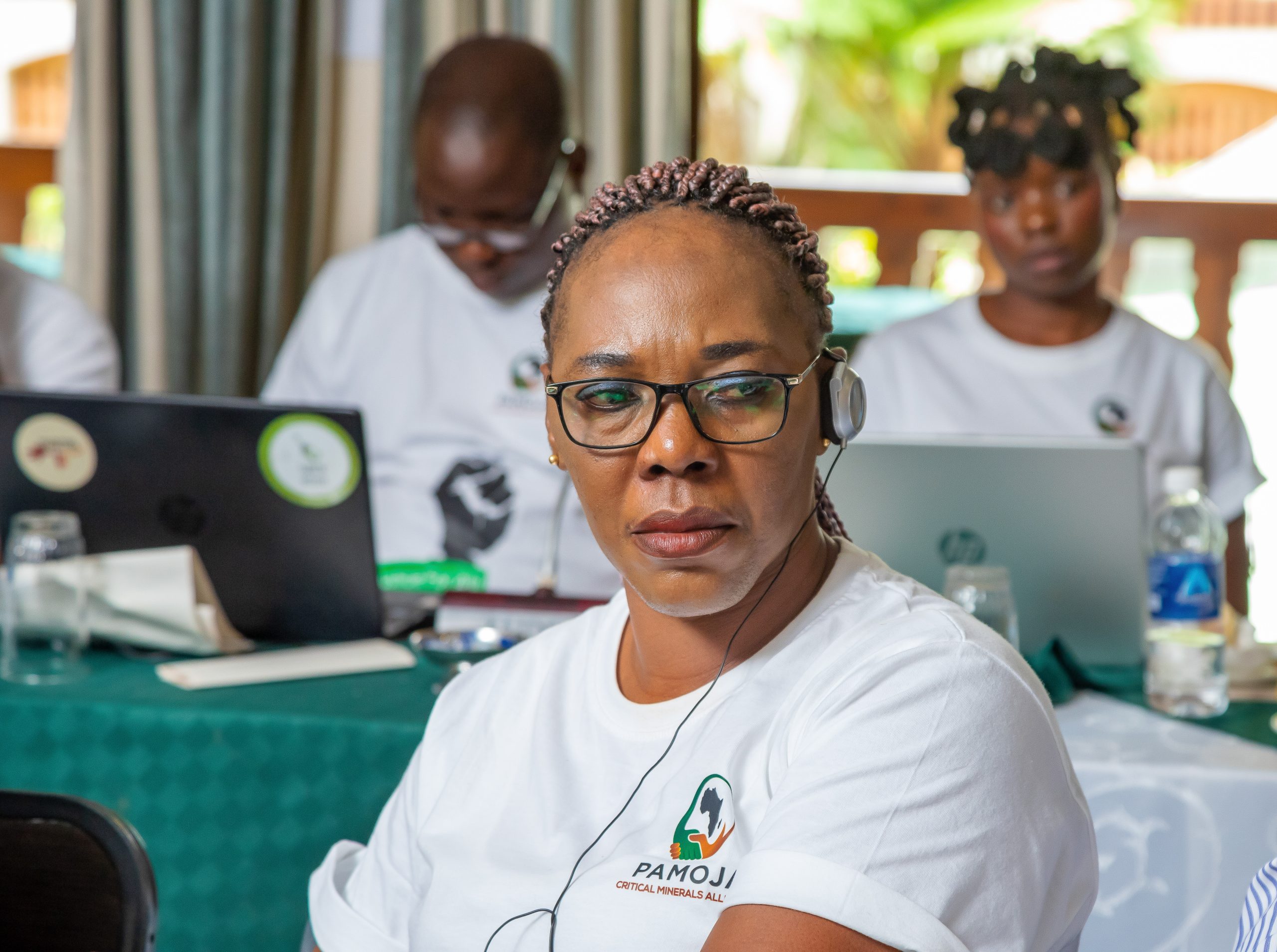
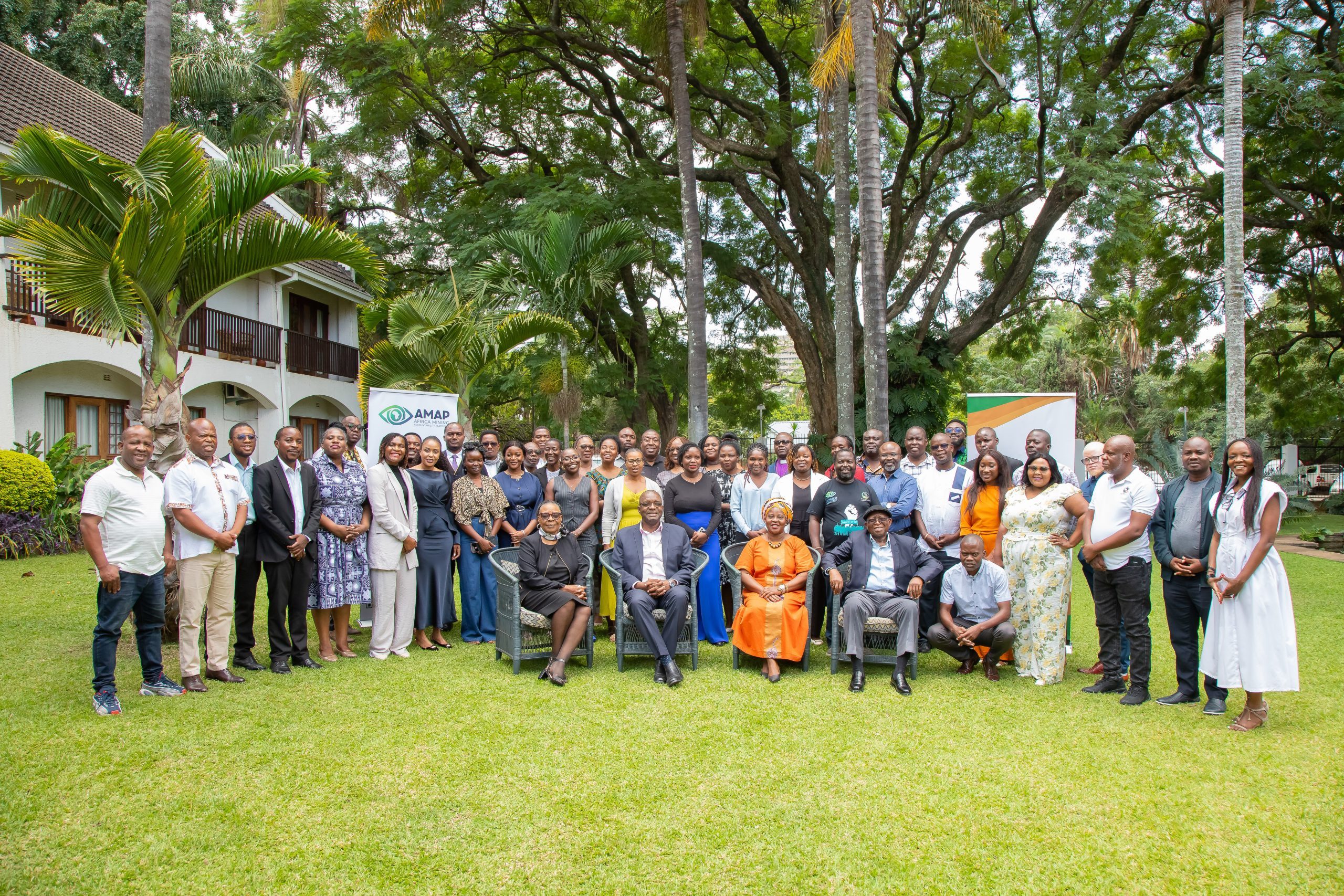
Over two days ( 25 and 26 February 2026 ) we had the privilege of being in the room as history was made. The PAMOJA Critical Minerals Alliance officially launched, and with it, a bold, collective African voice on one of the most urgent issues of our time: who really benefits when Africa’s minerals fuel the world’s green energy revolution?

We were there. And we want to bring you into that room with us.

Why This Moment Matters

Right now, the world is racing to build electric vehicles, solar panels, and wind turbines. And at the heart of that race? Africa’s minerals ; lithium, cobalt, graphite, rare earth elements, platinum group metals. The demand is surging. The deals are being signed. But for too many communities living on top of these resources, the story remains the same: displacement, environmental harm, broken promises, and wealth that leaves without looking back.

That cannot continue.

That is exactly why PAMOJA exists and why this convening was so significant.

Two Days That Changed the Conversation

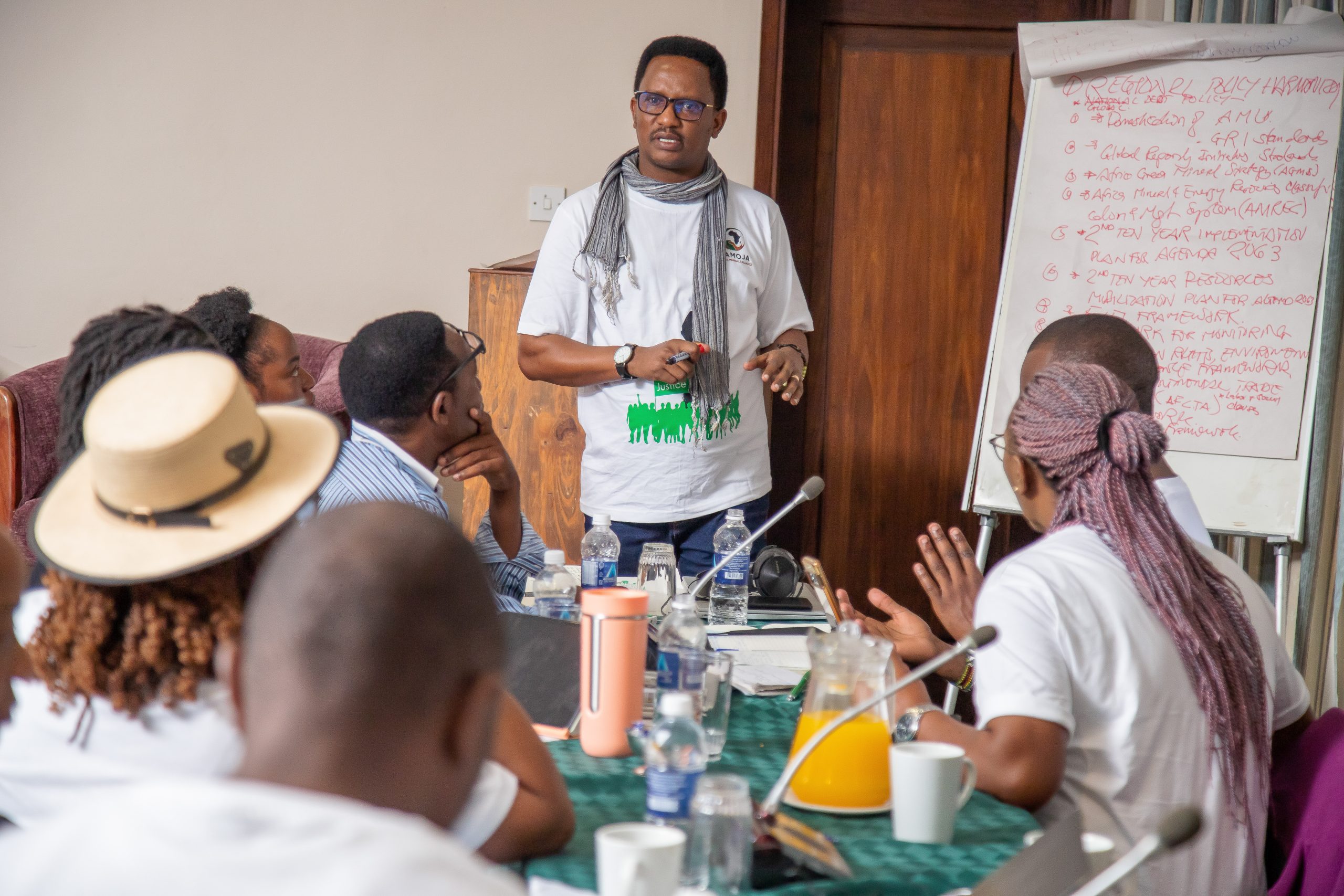
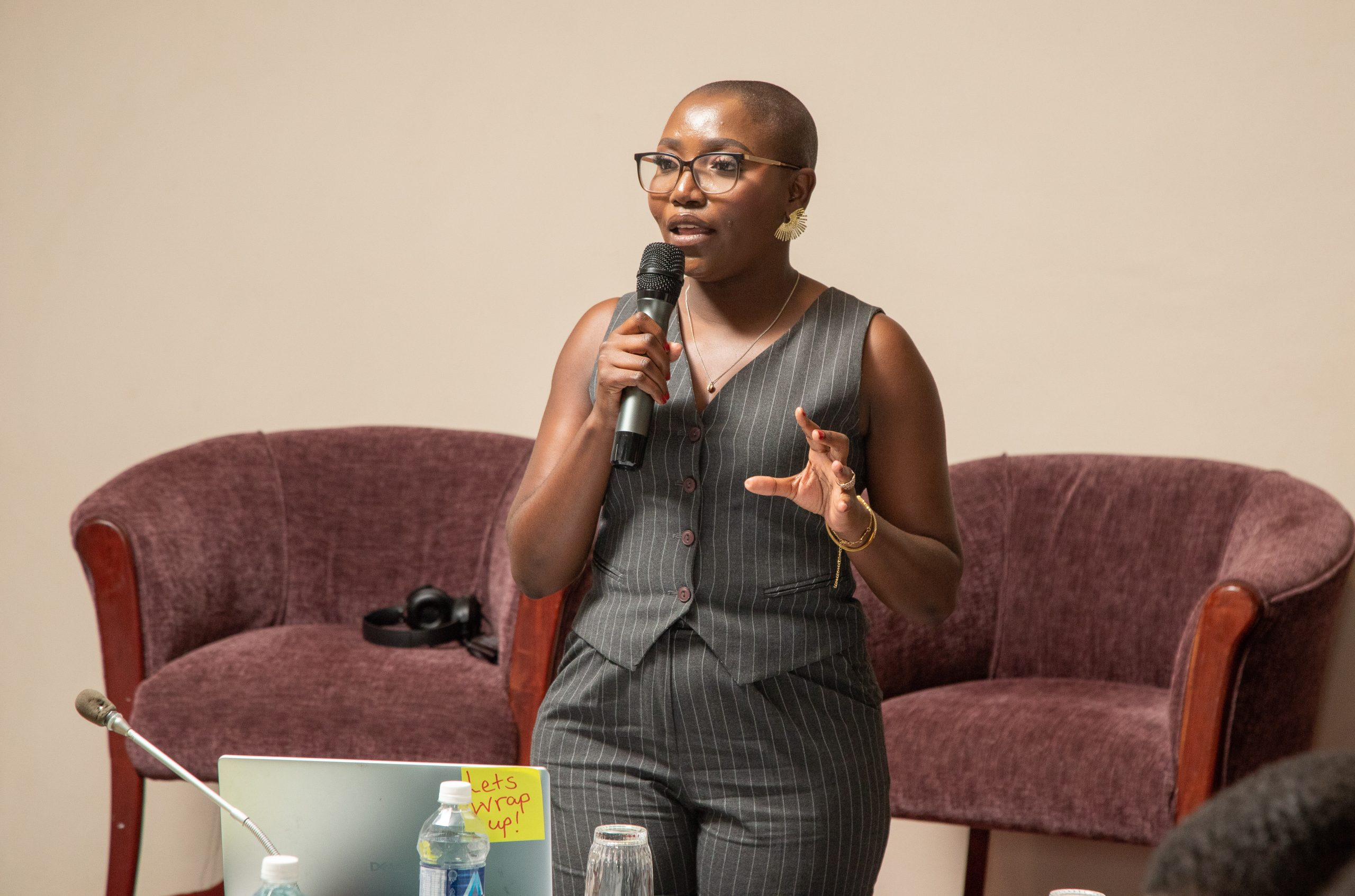
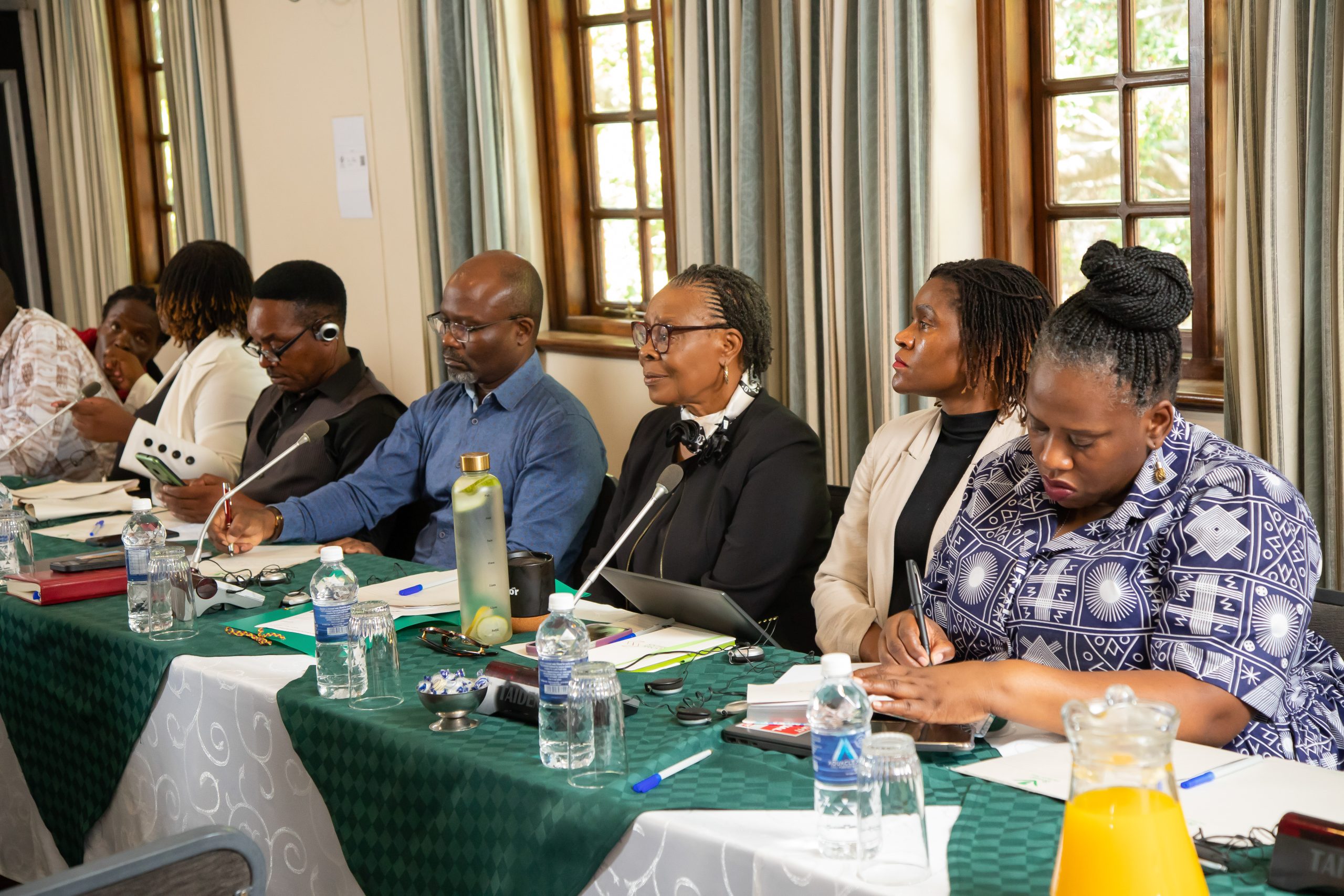
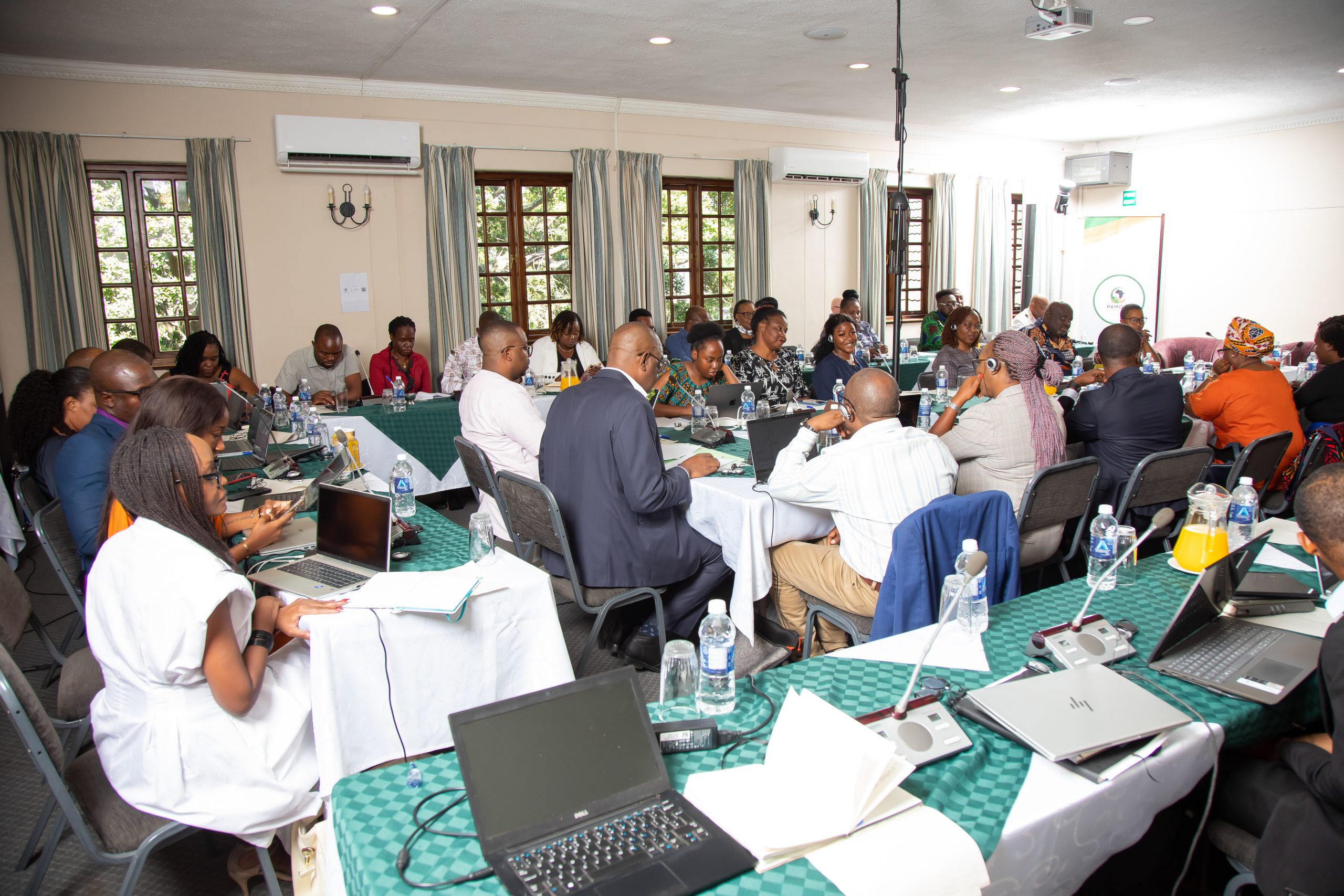
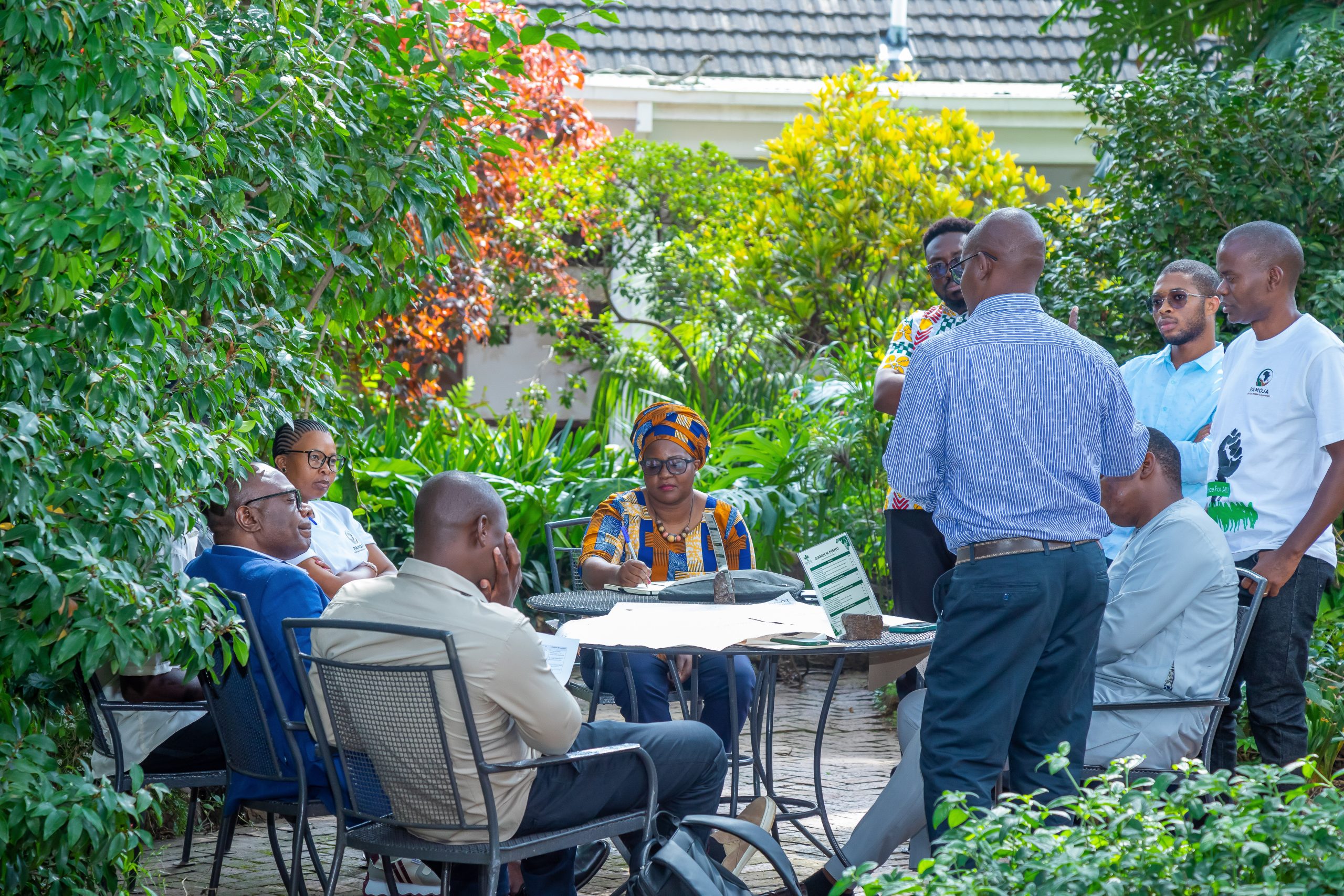
The workshop brought together an extraordinary cross-section of voices: grassroots activists, Indigenous leaders, trade unions, women’s movements, youth advocates, disability rights representatives, and policy actors from across the African continent. These are people on the frontlines, in the mining corridors, in the communities, in the halls of advocacy, and for two days, they sat together, spoke honestly, and built something real.

Day 1 was about truth-telling. Each constituency brought its lived reality to the table. Women spoke about the invisible burdens of mining expansion, the care work that multiplies when environments are disrupted, the exclusion from decisions that reshape their lives. Indigenous leaders named what is too often unnamed: the violation of land rights, the absence of consent. Youth delegates refused to be tokens, they demanded genuine seats at the table, not symbolic gestures. Labour voices tied the fight for decent work directly to the push for beneficiation. Every voice added a layer. Every story reinforced the same truth: extractive governance is everyone’s issue.

Day 2 was about action. The energy in the room shifted from reflection to resolve. Participants mapped solidarity, designed campaign strategies, and worked through the architecture of a governance structure that could hold this alliance together across borders and movements. The sense of collective purpose was unmistakable.

And then came the moment that crowned it all the adoption of the PAMOJA Declaration and the official launch of the Alliance.

The PAMOJA Declaration: A Line in the Sand

The Declaration is not a wish list. It is a set of demands grounded in justice and backed by a continent-wide movement.

It says: Africa’s minerals must build Africa’s future. It says Africa First! Raw material exports without value addition, without industrialisation, without transparent revenue management, that era must end.

It says: Communities are not obstacles. They are rights-holders. Free, Prior and Informed Consent is not a courtesy , it is a legal and moral obligation. Transparency and meaningful participation are non-negotiable.

It says: A green transition that exploits Africa is not a just transition. Supplying the world’s clean energy inputs while bearing the social and environmental costs is not development, it is a new face of the same old extractivism.

The Declaration frames this as what it truly is: a question of power, governance, and the kind of future Africa chooses to build.

What the Southern Africa Trust Brought and What We’re Taking Forward

We are proud to have co-facilitated this convening alongside SARW. Our role was to hold the space ,to sequence conversations with intention, to bridge diverse constituencies, and to help a room full of passionate, politically sharp people move from dialogue to declaration.

It was some of the most meaningful facilitation work we have done. And it reminded us of why this work matters.

We left Harare with more than memories. We leave with a continent-wide network of civic actors ready to move together. We leave with deeper partnerships, new insights, and a clearer sense of where the Trust can add the most value in gender-responsive governance, in regulatory literacy, in linking mineral justice to broader economic sovereignty debates.

The movement is building. And we intend to build with it.

The minerals are African. The future must be too. Africa First

The Southern Africa Trust works at the intersection of climate justice and natural resource governance, supporting communities, movements, and policy actors across the region to advance equitable, inclusive, and accountable development.


By Janet Zhou (Country Manager: Zimbabwe) and Yvonne Muto (Partnerships and Resourcing Officer)

_ORL0920
Blog

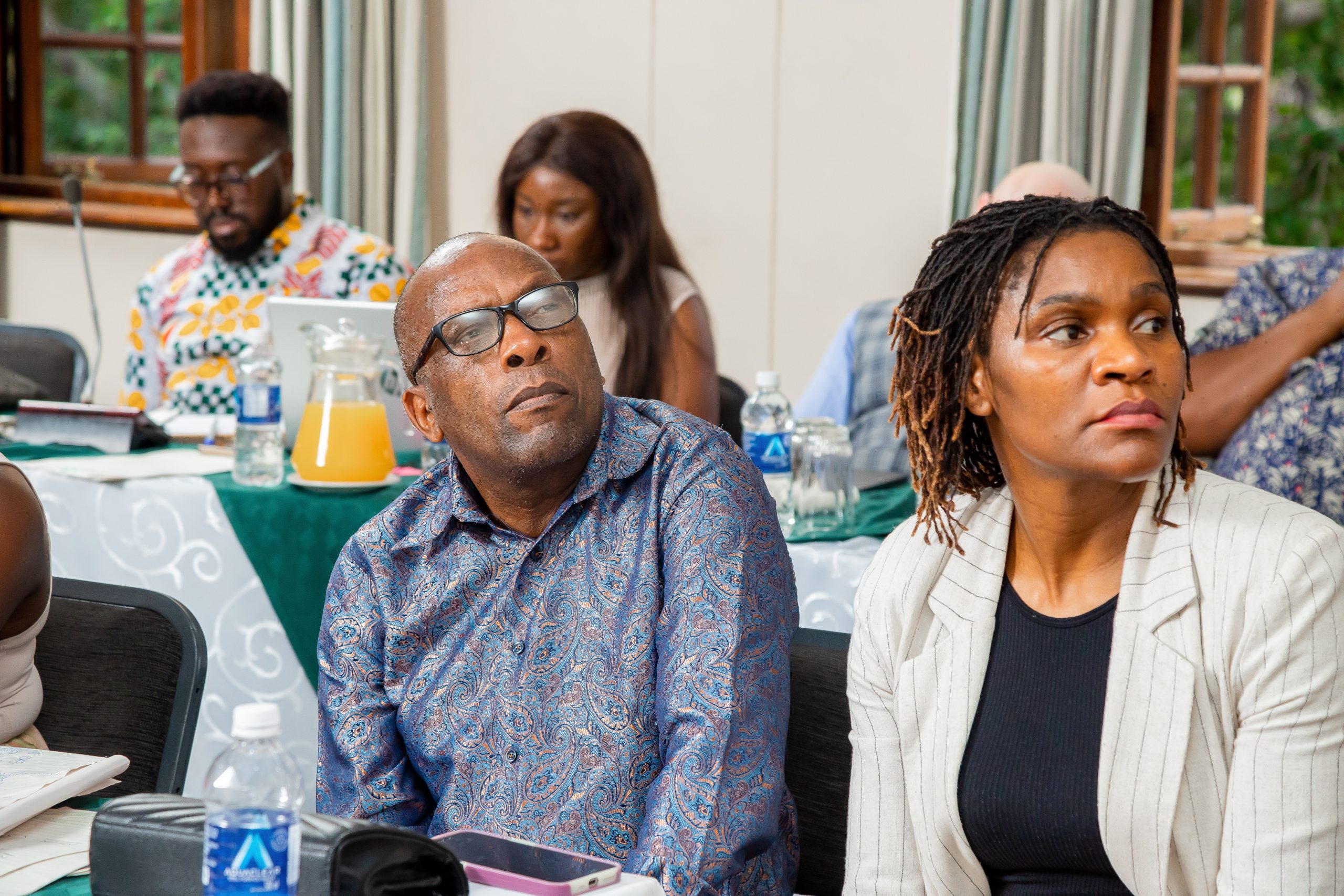
Regional Climate Resilience Convening

Limuru, Kenya -1st to 4th February 2026

Reflections, highlights, and what comes next

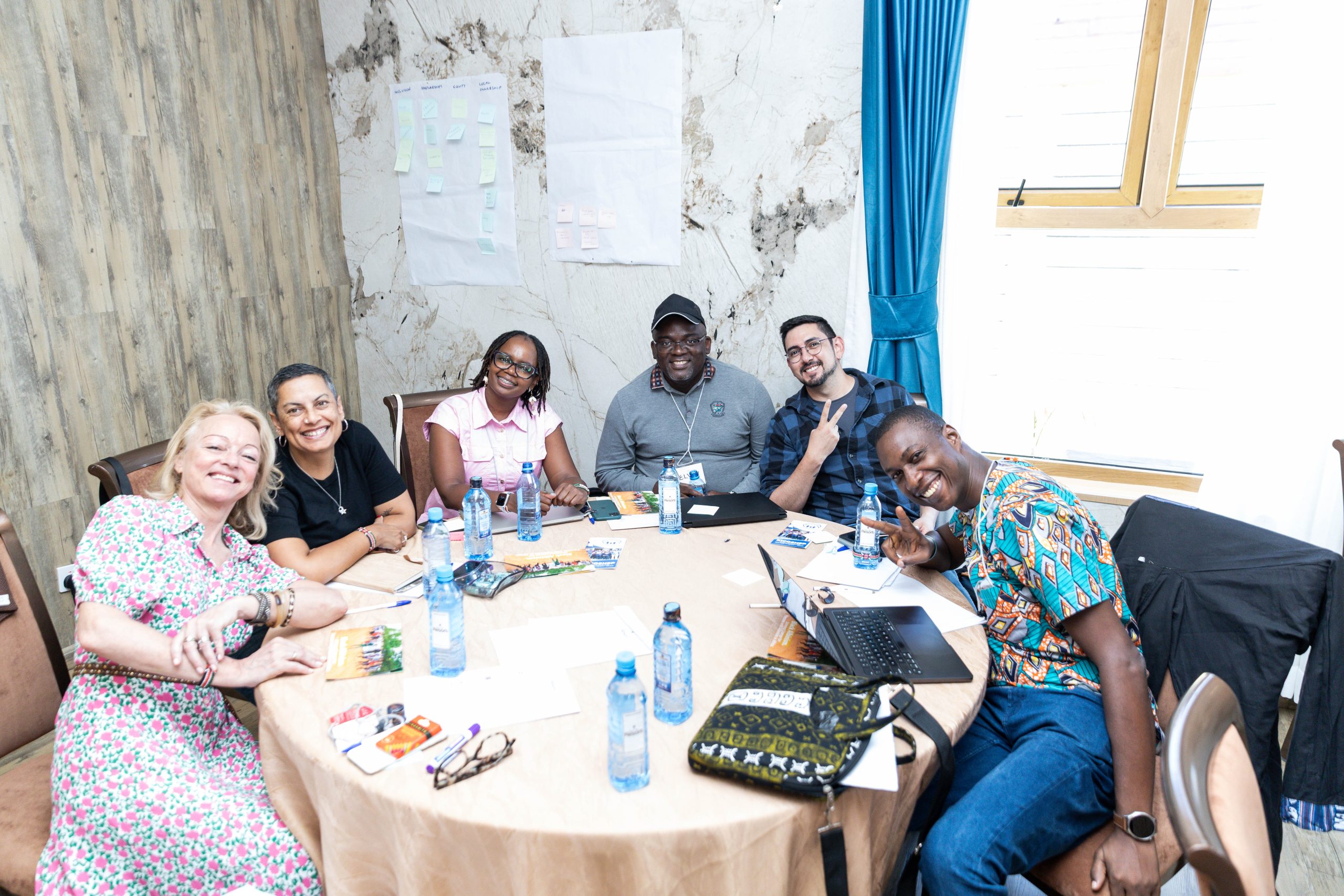
The Southern Africa Trust team was proud to support and participate in the recently concluded Regional Climate Resilience Convening for Comic Relief–supported partners, held in Limuru, Kenya.

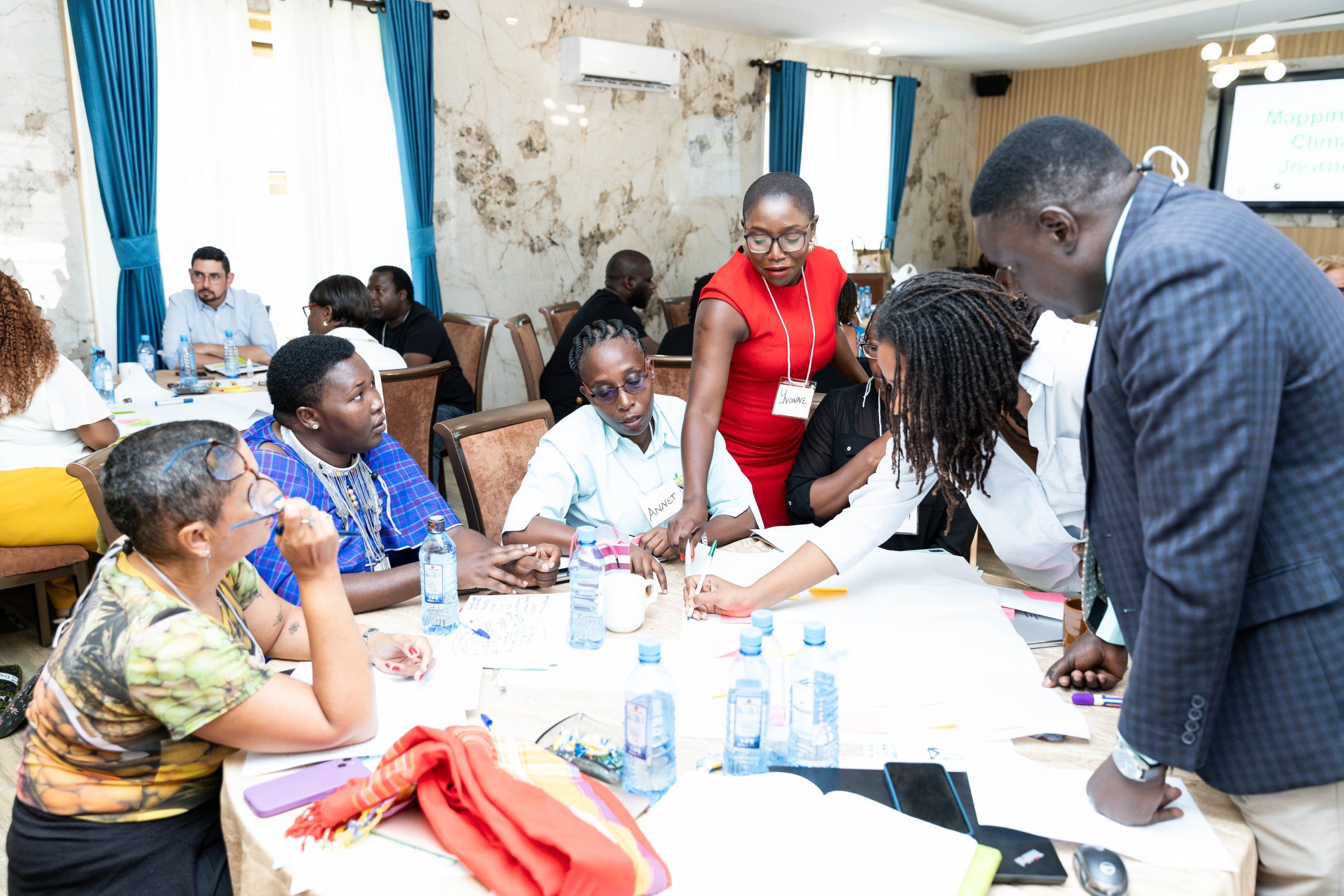
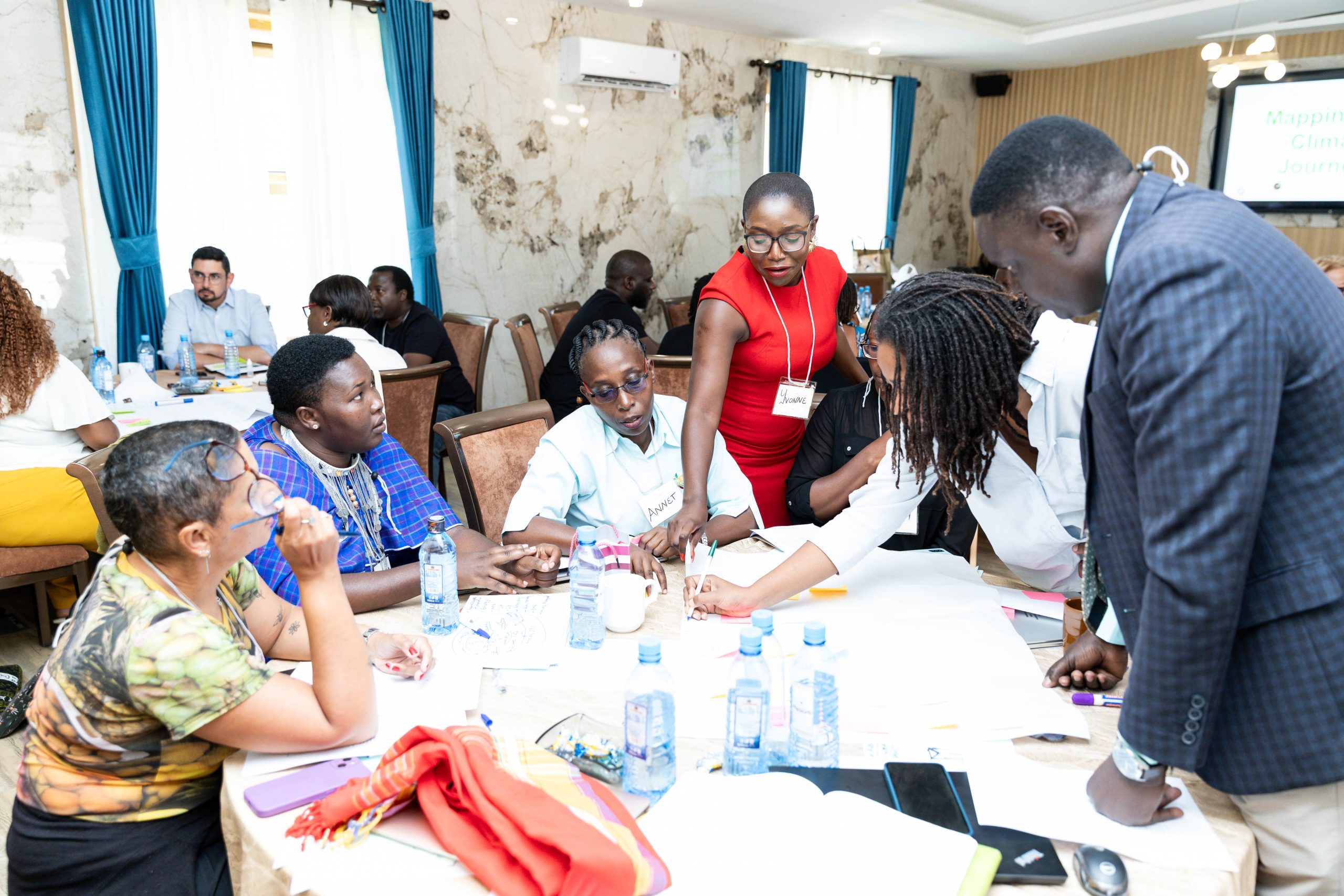
The convening brought together over 20 civil society organisations from East Africa, Southern Africa, West Africa, and Latin America, creating a rare and valuable space for partners working in diverse contexts to pause, reflect, learn, and collectively shape a shared climate action agenda for 2026.

This was an intentional space for dialogue, one that enabled partners to speak openly about their experiences of strengthening climate resilience in communities facing the intersecting pressures of climate change, inequality, and shrinking civic space.

One of the strongest themes to emerge was that organisations are at different stages of their climate action journeys. Some partners have been working on climate resilience and justice for many years, with established approaches and deep, long-standing community relationships. Others are newer to the space, still learning how to integrate climate justice into their programming and advocacy.

Despite these differences, the lessons shared resonated widely. Partners reflected on what it takes to respond to floods, droughts, displacement, and extractives-related impacts, while remaining accountable to the communities they serve. Across regions, there was a shared recognition that climate resilience is not merely technical, it is deeply political, social, and relational.

Across the conversations, partners highlighted common challenges, including limited access to climate finance for grassroots actors, pressure to deliver short-term results in long-term struggles, and persistent power imbalances between communities, governments, the private sector, and funders.

At the same time, there was strong consensus that community knowledge must sit at the centre of climate action. Partners repeatedly emphasised that locally grounded, community-led approaches are more adaptive, more sustainable, and more just. When communities, particularly women and young people, are leading, climate responses are stronger and more responsive to lived realities.

A key outcome of the convening was a shared commitment to move beyond dialogue towards ongoing collaboration. Partners agreed to establish five thematic working groups that will continue working together beyond the convening, focusing on:

  1. Research and learning
  2. Policy advocacy
  3. Climate resilience practice
  4. Inclusion and community engagement
  5. Climate finance

These working groups aim to strengthen collaboration, cross-learning, and solidarity across regions, while ensuring that community voices meaningfully inform research, advocacy, and funding conversations.

Key takeaways

For the Southern Africa Trust, several reflections stand out.

First, cross-regional exchange matters. Learning from diverse contexts deepens collective analysis and expands the possibilities for more effective and just climate action.

Second, climate resilience work must remain politically grounded. It cannot be reduced to technical solutions alone; it must engage directly with questions of power, inequality, and justice.

Third, the need to strengthen the broader ecosystem and infrastructure for climate resilience, beyond climate justice interventions.

Fourth, that context matters, in crafting responsive interventions.

Finally, collaboration is essential. The scale and urgency of the climate crisis demand shared strategies, shared learning, and a strong collective voice.

Looking ahead

As partners return to their communities, the real work continues. The relationships built, insights shared, and commitments made in Limuru provide a strong foundation for deeper collaboration in 2026 and beyond.

The convening served as a powerful reminder that while the climate crisis is ever evolving, complex, and profoundly unjust, there is real strength in solidarity and collective, community-led action, and that strength grows when civil society comes together across regions, experiences, and struggles.

Vacancy (1)
CareersNews

Policy Standardisation and Packaging Service Provider

1. Background

The Southern Africa Trust (The Trust) is a regional organisation committed to influencing policies to end poverty across Southern Africa. Following an internal review, the organisation has identified opportunities to strengthen its policy framework — both by updating existing policies and addressing areas not previously covered.

A total of 16 policies and enabling strategies have since been updated, developed, or commissioned. These span governance, human resources, finance, information technology, safeguarding, programming, and organisational sustainability.

As The Trust approaches its Board meeting in June 2026, there is a need to ensure that all policies and strategies are finalised, properly standardised, and packaged for review by the relevant Board Committees before formal approval by the full Board. The Trust wishes to outsource the policy standardisation and finalisation process to a qualified service provider, under the oversight of the HR and Management team.

2. Objective of the Assignment

The primary objective of this assignment is to support the Southern Africa Trust in standardising, right-sizing, and finalising its suite of 16 policies and enabling strategies, ensuring they are ready for Committee review in May and Board approval at the June 2026 Board meeting.

3. Scope of Work

The selected service provider will be expected to carry out the following tasks:

3.1  Policy Review and Standardisation
  • Review all 16 existing draft policies and strategies listed in Section 6 of this ToR.
  • Ensure each policy is right-sized (approximately 15 pages or fewer), clearly separating policy statements from Standard Operating Procedures (SOPs) and tools.
  • Standardise language, formatting, and presentation across all documents — including consistent use of organisational name (Southern Africa Trust ), consistent terminology (e.g. ‘grantees’ vs ‘implementing partners’), and alignment of cover pages.
  • Use the approved policy shared by the team as the benchmark for structure, flow, and presentation.
  • Ensure all policies are aligned to The Trust’s organisational values, principles, and culture, and are appropriate to the size and nature of the organisation.
3.2  Cover Notes and Policy Register
  • Develop a concise cover note for each policy, highlighting: what is new; what has been changed, removed, or updated; and key policy statements that Board Committees should pay particular attention to.
  • Develop a Policy and Key Strategies Register for the organisation, capturing policy name, responsible owner, applicable legislation, approval date, and next review date. The register should be structured for quarterly updates.
3.3  Packaging for Committee Review
  • Compile and package the finalised policies into the appropriate Board Committee review packs in line with the guidance provided.
  • Ensure each Committee pack includes the relevant policies, cover notes, and a summary overview document.
3.4  Coordination and Handover
  • Work closely with the designated The Trust HR/Management team contact to obtain source documents, feedback, and approvals at each stage.
  • Submit draft versions for internal review at agreed milestones before finalising.
  • Incorporate feedback from the Board committees and the full board meeting for each policy and strategy document.
  • Provide all final documents in both editable (MS Word) and PDF formats.
  • Conduct a brief handover session to walk the internal team through the completed policy pack and register.
4. Deliverables and Timeline

#

Deliverable

Target Date

1

Inception note: proposed approach, work plan, and timeline

Within 5 working days of contract signing

2

Standardised drafts of all 16 policies/strategies submitted for internal review

To be agreed in inception note

3

Revised drafts incorporating internal feedback

Within 5 working days of receiving feedback

4

Cover notes for each policy/strategy

Submitted with revised drafts

5

Policy and Strategies Register

Submitted with revised drafts

6

Fully packaged Board Committee review packs (4 Committees)

No later than 30 April 2026

7

Revised documents incorporating Board Committee and full Board feedback

Prior to 25 June 2026 Board meeting

8

Handover session with The Trust HR/Management team

30 June 2026

5. Required Qualifications and Experience

Proposals are invited from individuals or firms with the following:

  • Demonstrated experience in policy development, review, and standardisation, preferably within the non-profit, development, or public sector.
  • Proven ability to produce clear, professionally presented organisational documents.
  • Strong understanding of governance and Board processes in civil society or similar organisations.
  • Excellent written English communication skills and editorial ability.
  • Ability to work to tight deadlines and manage multiple documents concurrently.
  • Prior experience working with regional African organisations is an added advantage.
  • Knowledge of the social justice sector in Southern Africa
6. Reporting and Oversight

The service provider will report directly to HR and will work closely with the CEO and Management team as required. All work will be subject to the oversight and final approval of HR and Management team before being shared with Board Committees.

The service provider is expected to communicate proactively regarding progress, risks, or delays, and to flag any issues that may affect the quality or timelines of the deliverables.

7. Submission of Proposals

Interested service providers are invited to submit a technical and financial proposal that includes:

  • A brief profile of the individual or firm and relevant experience.
  • Proposed approach and methodology.
  • A detailed work plan with milestones and timelines.
  • Financial proposal (daily rate or fixed fee with breakdown).
  • At least two references from similar assignments.

Proposals should be submitted to:

Email: recruitment@southernafricatrust.org

Closing date for submissions: 16th March 2026

The Trust reserves the right to accept or reject any proposal and is not obliged to provide reasons for its decisions. Only shortlisted candidates will be contacted.

9. Enquiries

For any queries regarding this Terms of Reference, please contact:

Candice Mchunu | candice.mchunu@onehr.co.za

Thembisa Bekwa | thembisa.bekwa@onehr.co.za

News

The Trust’s G20 Statement

As the G20 convenes on African soil for the first time, the Southern Africa Trust stands with movements, feminist leaders, and civic formations to reimagine what true global cooperation should look like.
This moment is an opportunity to confront the systems that keep our region trapped in debt, inequality, extraction, and exclusion.

We join the G20 season of dialogues to centre climate, debt, tax, gender and care justice, and people’s power, insisting that prosperity cannot be measured by GDP alone but by dignity, equity, and the strength of our solidarity economies. From debt justice to fair mineral governance, from inclusive democracy to the care economy, our engagement amplifies the lived realities of Southern Africa’s communities and the transformative solutions they are already building.

We are at the G20 to challenge global power and dominate narratives not to validate the status quo.
A just global order is possible, and Africa’s voice is not just participating in that future it is shaping it.

To read the full briefing document, please click here.

It takes a village header image
News

Rethinking gender-based violence (GBV) Prevention for Sustainable Change: “It takes a village to tackle GBV”

By Janet Zhou

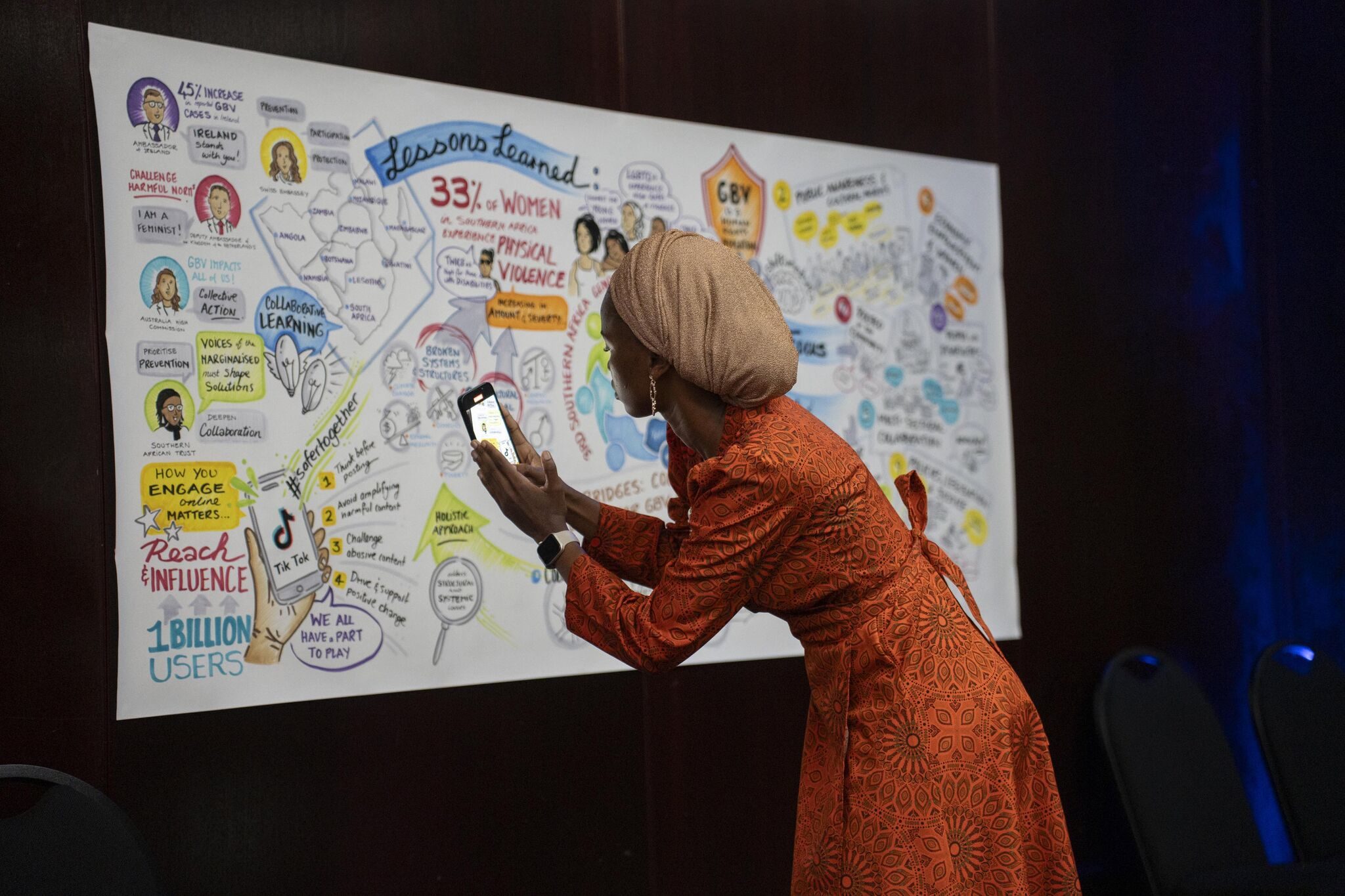
Ending gender-based violence (GBV) requires us to move beyond elitist tools and frameworks. It demands that we confront the very architecture of violence at its roots in families, communities, and societal structures. The Midrand Forum on GBV Prevention held between 19-21 August 2025, provided a critical moment for reimagining strategies in Southern Africa, challenging us to build bridges from the ground up rather than relying solely on policy blueprints. The theme, “Building Bridges: Strengthening Collaborative Efforts for GBV Prevention and Response in Southern Africa” resonated. This reflection goes beyond summarising the Forum. It distils insights into guiding principles and next steps for governments, civil society, and communities seeking to prevent GBV in sustainable and people-centred ways.

Understanding the Architecture of Violence

GBV does not emerge in a vacuum. It is deeply rooted in cultural, social, and economic systems, reinforced through family dynamics, community norms, and systemic inequalities.

  • Family can be the first site where harmful gender norms are instilled, reproduced or disrupted.
  • Communities often reinforce silence and stigma, making survivors carry the weight of violence without support.
  • Institutions from schools to justice systems can perpetuate inequality when they fail to address gender discrimination.

One key insight from the Midrand Forum was the need to engage men and boys as partners in prevention efforts, and to transform education systems into sites of resilience and change.

Care Economy and Structural Inequalities

Another theme brought within the Forum by the Trust was the care economy, which sustains households but leaves women disproportionately carrying unpaid and underpaid care responsibilities.

This burden leaves women economically dependent, undermines their autonomy, and heightens vulnerability to exploitation and violence. At the Forum, the presentation of The Trust’s scoping study on the Care Economy showed how valuing and redistributing care work is essential to addressing the structural roots of GBV.

Integrating care justice into GBV prevention requires:

  • Recognising unpaid care in economic and social policy.
  • Supporting redistribution of caregiving responsibilities across genders.
  • Building public investment into care systems as a prevention strategy.

 Why Elitist Tools Fall Short

Too often, GBV strategies rely on top-down and elitist frameworks that fail to resonate with survivors’ lived experiences. Policies can be disconnected, technocratic, or overly reliant on donor logic and state-led interventions.

The Forum exposed the gap between policy and practice, reminding us that prevention cannot be reduced to only blueprints, toolkits, or one-size-fits-all frameworks. True transformation happens when solutions emerge from the ground up.

 Going Back to Basics: Building Bridges from the Foundation Up

  1. Families as the First Line of Defense
    Healthy relationships, positive parenting, and open conversations in families create early resistance against harmful gender norms. Prevention must begin here.
  2. Community-Led Solutions
    The Forum showcased examples such as dialogue circles and community initiatives where communities themselves took ownership of prevention. These solutions are sustainable because they are embedded in context.
  3. Education as a Foundation for Change
    Schools and universities are critical sites for reshaping social norms. Integrating GBV awareness into curricula and establishing safe, inclusive spaces for young people emerged as a strong call from the Forum.

Bridging the Gap Between Policy and Practice
Policies must reflect lived realities. Translating them into action requires local leaders, educators, and activists to be central actors not passive implementers.

Technology as a Tool
As discussed on Day 3 of the Forum, technology has potential, but it cannot replace community-led prevention. Digital reporting tools or awareness apps must complement, not substitute, community action.

 Building Sustainable Bridges

  1. Collaborative Efforts
    GBV prevention requires coalitions of collaboration across governments, civil society, traditional leaders, and communities. The Forum’s theme of “Building Bridges” highlights the importance of connecting diverse stakeholders for collective power.
  2. Shifting Focus to Community-Centred Approaches
    Resources and accountability must be redirected to community actors who know the realities of their contexts. This is more so, important in the context where gender justice has generally been deprioritised as funding keeps shrinking.
  3. Next Steps for All of Us
  • It takes a village to end gender-based violence (GBV). Every member of our community, from individuals to institutions, has a crucial role in creating lasting change. As duty bearers at various levels, we all share responsibility for collective, sustainable action toward ending GBV. Here are the next steps we can all take as part of this village: Policymakers: Embed community voices into decision-making.
  • Civil society: Support community led and centred initiatives and create platforms for survivor leadership.
  • Communities: Confront harmful norms and nurture collective responsibility for prevention.

 To end GBV, we must dismantle the architecture of violence at its foundation families and communities while building bridges that connect every level of society. The challenge is urgent, but the pathway is clear: start at the roots, build from the ground up, and connect across the system.

The final question remains: What role will you play in building these bridges?


Climate Justice & Natural Resource ManagementNews

“Who’s Earth Is It Anyway?”

Southern Africa Trust Sparks Dialogue on Afro-Ecofeminist Resource Governance at AMI2025

During the recently concluded Southern Africa Trust (SAT) idea lab at the Alternative Mining Indaba (AMI2025), panellists and participants debated Afro-ecofeminist approaches to environmental and natural resource governance. The AMI2025, which took place from 3-6 February 2025, brought together hundreds of economic justice, environmental and natural resource experts, activists and organisations, to deliberate on the critical question of energy transition in Africa. The AMI2025 explored the linkages between energy transition, democratic governance and intrinsic vulnerabilities, like poverty and marginalisation.

The idea lab organised by The Trust, was titled “Reclaiming Earth, Restoring Balance and Care in the Extractives Sector: Afro-ecofeminist Approaches to Mining Sector Transformation”, and sought to highlight intersectional approaches to advancing a just and sustainable extractives sector in Southern Africa. The idea lab bridged grassroots experiences with policy and legislative processes, while centering Afro-ecofeminist approaches that demonstrated the interconnectedness of struggles rooted in colonial histories, including environmental degradation, gender inequality and systemic exploitation.

The participants analysed the current context in which mining takes place, and agreed that balance, care and humanity are sorely lacking in the industry, and that the pursuit of profit often trumps the needs of people, leaving them negatively impacted and increasingly vulnerable.

As put by Tsitsi Mashandudze, an Afro-ecofeminist from the Shine Campaign, “communities in extractive mining are trapped in a cycle of depravation and environmental harm”.

Justice and equality are in short supply and natural resource governance processes fail to centre the communities most affected by extractive activities, leaving legacies of poor social lives, injuries and debilitating disease. Vama Jele of the Southern African Miners Association explained that parliamentary processes for legislative change are very slow, and even where there are statutory obligations, mines  are not adhering to them. Isheanesu Chirisa of Women and Law in Southern Africa (WLSA), referring to their documentary that was shown during the Idea Lab, c illustrated how women are disproportionately impacted by mining activities, leading to increased vulnerability, poverty and sexual violence. In proffering solutions, Jaqueline Rukanda of Natural Justice underscored the need for litigation, legal empowerment and simplification of existing legislation. Farai Maguwu of Centre for Natural Resource Governance (CNRG) called for the need to connect historical conversations of land ownership, and establish a collective voice through community protocols, informed by participatory research. Anushka Bogdanov of Risk Insights demonstrated how to utilise existing data to push for accountability.

In answering the old age question of who’s earth it is, Uzna Malunga from ALTERNACTIVA reminded participants that it is us who actually belong to the earth, and that it is those who try to own mother earth and exploit her for profit, that caused harm and damage, not just to her, but also to her people. She stated that there are indigenous practices that enabled people to live in harmony with nature and with the land. However, many of these have been disrupted by mining activities which often leave communities separated from indigenous food and medicines, and the land damaged. Nsama Musonda of Care for Nature Zambia, illustrated how indigenous knowledge buttressed by symbiotic relationships with the earth demonstrate care and sustainability, and how that has been overrun by modern practices premised on profit. The discussions concluded that community stewardship is essential to sustainable environmental and natural resource governance.

Beyond the AMI, The Trust intends to contribute to broader movement-building efforts around climate justice and natural resource governance in Southern Africa.

“When it comes down to it, it is women, youth, and marginalised people who bear the brunt of the intensifying climate crisis and weak natural resource governance,” says Janet Mudzviti-Zhou, the Economic Justice lead at The Trust.

With increasing demand for strategic minerals and other extractible resources, there are heightened risks of excessive and unmanaged natural resource extraction in a context of weak regulatory institutions and systems. This reality necessitates urgent attention to transformative approaches that centre community voices and experiences.

The Southern Africa Trust has been at the forefront of natural resource governance initiatives in the region. Through various programmes and partnerships, The Trust has successfully implemented community-centred approaches to resource governance, supported policy advocacy initiatives, and facilitated multi-stakeholder dialogues on extractive sector reforms.

Notes to editor

For media inquiries, please contact:

 Spokespeople are available for interview. Please contact the Advocacy and Communications Officer to arrange.

 About Southern Africa Trust

 At the Southern Africa Trust, we work to strengthen the voice and agency of impoverished and marginalised people in policy processes to reduce poverty and inequality in southern Africa. Established in 2005, the Trust engages extensively with civil society at both national and regional levels to ensure the voices of the poor are heard and influence policies aimed at ending poverty. Through strategic advocacy, partnerships, and policy dialogues, the Trust is dedicated to fostering inclusive and equitable development across the region, where all people live empowered and fulfilled lives

As the Trust celebrates its 20th anniversary in 2025, we continue on our mission to amplify the voice and influence of impoverished and excluded people in Southern Africa by supporting them to access their full rights.


AMI_1
Call for nominationsClimate Justice & Natural Resource Management

Southern Africa Trust Brings Critical Perspective on Mining Transformation to AMI 2025

By Alice D. Kanengoni and Janet Zhou

As global demands for strategic minerals continue to rise, Southern Africa faces unprecedented pressure on its natural resources. The impacts of intensifying extraction, coupled with weak governance systems, fall disproportionately on women, youth, and marginalized communities across the region. It is against this backdrop that Southern Africa Trust (The Trust) announces her participation in the Alternative Mining Indaba (AMI) 2025, where she will host a vital side event that challenges traditional approaches to resource governance. This year’s AMI is being held under the theme “Energy transition for who? The critical question of our times! And is being convened in Cape Town, South Africa from 3- 6 February 2025 parallel to the Mining Indaba.

The urgency of this conversation cannot be overstated. Across Southern Africa, communities grapple with the consequences of extractive practices that prioritize profit over people and ecosystems. The securitization of mining operations often masks corruption and environmental harm while excluding affected communities from decision-making processes. This reality demands a transformative approach that centres community voices and experiences in the governance of natural resources.

The Trust’s side event at AMI, “Reclaiming Earth, Restoring Balance and Care in the Extractives Sector: Afro-ecofeminist Approaches to Mining Sector Transformation,” brings a critical perspective to the 2025 AMI. We view the Alternative Mining Indaba as an ideal platform for this dialogue, historically functioning as a crucial gathering point for communities, civil society, and stakeholders seeking to rewrite the narratives around natural resource governance.

The timing of this intervention is particularly significant. As 2025 marks the African Union’s Year on Reparations, the mining sector faces increasing pressure to address historical injustices and their ongoing impacts. The Trust’s event strategically connects these broader conversations about justice and reparations to practical questions of mining sector transformation, creating a unique opportunity for meaningful dialogue and action.

Central to the event is the introduction of Afro-ecofeminist approaches as a framework for reimagining mining sector governance. This perspective uniquely addresses the interconnected challenges of environmental degradation, gender inequality, and systemic exploitation rooted in colonial histories. By bringing together voices from grassroots movements, policy spheres, and industry experts, the event creates space for dialogue that moves beyond traditional corporate social responsibility to envision truly transformative approaches to resource governance.

Distinguished speakers at the event will explore how balance, care, and humanity can be integrated into natural resource extraction, examining ways to challenge exploitative practices and advance justice in the sector. The discussions will delve into the crucial role of community stewardship in sustainable resource management, while demonstrating practical applications of Afro-ecofeminist approaches to mining governance.

The event’s structure has been carefully designed to facilitate not just discussion, but action. Through interactive sessions and working groups, participants will contribute to developing concrete strategies for sector transformation. This approach reflects the Trust’s commitment to moving beyond dialogue to practical solutions that can be implemented at community, national, and regional levels.

For over a decade, The Trust has worked at the intersection of community rights and natural resource governance. This side event at AMI 2025 represents a crucial step in advancing a more just and sustainable approach to mining in Southern Africa. By bringing together diverse stakeholders and centring marginalized voices, The Trust aims to contribute to a broader movement for mining sector transformation that benefits all stakeholders while protecting environmental and community interests.

Those interested in participating in this transformative dialogue are encouraged to follow our hashtags #AMI2025, #OurEarth, #ReclaimEarth and #Afroecofeminism throughout the AMI period and beyond. Our website, www.southernafricatrust.org, will also be continuously updated with related information awareness resources.

About Southern Africa Trust (The Trust)

Established in 2005, the Southern Africa Trust (The Trust) is a regional non-profit organization dedicated to eradicating poverty and inequality across sixteen Southern African countries. Serving as both a regranting and implementing entity, we collaborate closely with civil society organizations to foster partnerships that promote pro-poor policies and practices. Our mission is to amplify the voices and agency of marginalized populations, with a specific focus on women, LGBTQIA+ communities, and youth. We address key areas such as economic justice, climate justice, and gender equality. Central to our work are feminist and intersectional approaches, ensuring that gender considerations are embedded in all our initiatives.

The Trust has established herself as a leading voice in natural resource governance, implementing community-centred approaches and facilitating multi-stakeholder dialogues that drive positive change in the extractive sector. Through her sustained engagement with communities and policymakers, The Trust continues to advance inclusive and sustainable approaches to resource governance across the region.

lBWGeNsA36E-HD
Gender JusticeNews

Highlights: Addressing Gender-based Violence at Tertiary Institutions in Southern Africa

The Southern Africa Trust (The Trust), in partnership with the Embassy of the Kingdom of the Netherlands in South Africa and the Ford Foundation, recently hosted a multi-country dialogue on addressing Gender-Based Violence (GBV) at tertiary institutions across Southern Africa. The event, held on International Human Rights Day, brought together 21 student activists from Botswana, Eswatini, Malawi, Mozambique, South Africa, Zambia and Zimbabwe.

The day opened with a moving performance by Abafazi be Ngoma, a powerful all-women marimba band who tell stories of their lives through drums, song and dance. The showpiece set the tone for meaningful discussions that followed. Those discussions included the unpacking of the Trust’s commissioned literature review of GBV in tertiary institutions across Southern Africa, a panel discussion and interactive thematic discussions focusing on prevention-centred approaches and decolonized methods, institutional accountability mechanisms and cross-border collaboration strategies for students in tertiary institutions. In her welcoming remarks, H.E. Joanne Doornewaard, Ambassador of the Kingdom of Netherlands to South Africa emphasized the magnitude and complexity of especially SGBV in tertiary institutions and called for responses that centre financial empowerment of all young women: leaving no one behind. The Ambassador encouraged women to speak out and make their voices count in bringing about change.  The Trust CEO, Alice D Kanengoni reminded the gathering that tertiary institutions are strategic sites that shape and influence norms, ways of thinking, ways of doing and ways of being in the society. She opined that tertiary education for women and girls often translates into career pathways, economic opportunities, self-actualization among other critical transformations – and decried how GBV hinders all these.

Key outcomes included:

  • Launch of a southern Africa tertiary institutions network against GBV, marking a significant step towards building solidarity and regional collaboration among student activists from the countries represented.
  • Clear motivation for a standardised monitoring and evaluation system to track the impact of cross-border GBV prevention efforts.
  • The potential partnerships with tertiary students across their diversities to address GBV in tertiary institutions.

The event engaged students in a photo exhibition, titled “Break Even”, by visual artist Nelisiwe Nkosi, which explores experiences of recovering from rape and sexual trauma. This was a triumphant story about overcoming GBV and healing for those who have struggled with the traumas of GBV.

This dialogue wasn’t just a discussion – it was the beginning of a coordinated regional movement to create safer tertiary institutions across Southern Africa.

Together, we’re stronger in the fight against GBV.

#Orangetheworld

16 days
Call for nominationsNews

30 years after Beijing, it’s time to end violence against women and girls

For the next sixteen (16) days from today, activists and organisations around the world draw attention to an injustice  holding societies back — violence against women. Together with our partners, the Southern Africa Trust is taking part in this campaign by making the call to end all forms of violence and abuse against women.

In particular, we are turning the spotlight on the world of care work, exposing the vulnerabilities and dangers faced by workers in the care economy, majority of whom are women. Our partner in South Africa, Izwi Domestic Workers Alliance (IDWA), will spotlight  the unique challenges of domestic workers to harassment, bullying and violence at work.

In Malawi, the Malawi Human Rights Resource Centre (MHRRC), will raise awareness on labour relations within the care work industry by highlighting how workplace injustices disproportionately affect women within “informal” and “semi-formal” business sectors.

The Zambia Alliance of Women (ZAW) will draw attention to and encourage action against gender-based violence (GBV) by promoting a culture of zero tolerance towards violence against women in Zambia.

In Zimbabwe, a consortium of four organisations led by the Economic Justice for Women Project (EJWP) will spotlight GBV in the education sector, particularly within rural education institutions. In addition, the consortium will also advocate for the safety and empowerment of female students in tertiary institutions across Zimbabwe. The other organisations part of this consortium are the Amalgamated Rural Teachers Union of Zimbabwe (ARTUZ), the Female Students Network Trust (FSNT) and the Southern Africa Parliamentary Trust (SAPST).

Speaking ahead of the launch of the campaign, Southern Africa Trust CEO, Alice D. Kanengoni said: “Gender inequality and gender-based violence remain prevalent across southern Africa. As a result of gender discrimination and lower socio-economic status, women have fewer options and resources at their disposal to avoid or escape abusive situations and to seek justice. There is a need for action by all stakeholders in this region to effectively develop and implement clear actions to prevent, combat, and end its occurrence.”

The campaign will run until 10 December and will culminate in a regional dialogue in Johannesburg, South Africa. The campaign is supported by the Embassy of the Kingdom of Netherlands in South Africa and the Ford Foundation.

About the Southern Africa Trust

Established in 2005, the Southern Africa Trust (The Trust) is a non-profit regional organization dedicated to eradicating poverty and inequality across sixteen countries in Southern Africa. Acting as both a regranting and implementing entity, we collaborate closely with civil society organizations to forge partnerships that shift power towards pro-poor policies and practices.